
Your guide to finding the best personal injury attorney for your case
Personal injury lawsuits are deeply personal. They involve not only the details of the accident but also the impact on your physical and emotional well-being. Whether it’s a slip and fall or a car crash, the sensitive nature of these cases makes it important to find the right attorney.
In situations like a motor vehicle accident, the best car accident attorneys can provide the specialized guidance and support you need during the post-accident recovery process.
With more than 700,000 active attorneys nationwide, according to the United States Bureau of Labor Statistics, finding the right one isn’t as easy as it might seem.
In this guide, we’ll walk you through the process of finding the best personal injury attorney for your case. From understanding the fundamentals of personal injury claims to vetting potential lawyers and preparing for your initial consultation, we’ll provide you with the essential tips and resources to make an informed decision.

Top 5 most famous personal injury lawsuits
Find out more about the 5 most famous personal injury lawsuits ever filed in the United States, including the infamous hot coffee case.
Understanding personal injury claims
Personal injury claims arise when an individual suffers harm due to the negligence or wrongful actions of another party. These claims are designed to provide compensation for the injured party’s medical expenses, lost wages, pain and suffering, and other related damages.
Common types of personal injury claims include:
To further clarify what constitutes a personal injury claim, it may be helpful to understand what does not qualify as a personal injury claim. Here are some types of legal actions that are often mistakenly believed to be personal injury lawsuits:
- Property damage claims: While personal injury claims focus on physical and emotional harm, property damage claims deal with compensation for damage to personal property, such as a car or home.
- Breach of contract: These claims arise from one party’s failure to fulfill the terms of a contract. They do not involve physical injury but rather financial or business disputes.
- Workers’ compensation: While related to workplace injuries, workers’ compensation claims follow a different legal process and are handled through the employer’s insurance, not as personal injury lawsuits.
- Defamation (libel and slander): Defamation claims involve harm to a person’s reputation through false statements, not physical injuries.
There are also situations where you might not have grounds for a personal injury lawsuit, including:
- No actual injury: If there is no physical or emotional harm, there is no basis for a personal injury claim. The presence of an injury is a fundamental requirement.
- Pure accidents: Incidents that occur without anyone’s negligence, where the harm is purely accidental, do not qualify for personal injury claims. For example, if you trip over your own feet and fall, it’s unlikely you can sue someone else for your injuries.
- Acts of god: Natural disasters or events beyond human control that cause injury usually do not result in successful personal injury claims unless negligence in preparing for such events can be proven.
From the summons and complaint to a potential appeal, learn the eight basic steps to every personal injury lawsuit.
Do I need a personal injury attorney?
Determining whether you need a personal injury attorney depends on the specifics of your case. For simple disagreements or minor injuries, you may be able to resolve the dispute through respectful communication. In cases involving small amounts of money, representing yourself in small claims court can be a viable option.
Initial consultations with personal injury attorneys are typically free and can help you understand the merits of your case and whether legal representation is necessary.

Ben Gerber
Enjuris Partner Attorney
During an initial consultation, you have the opportunity to discuss the facts of the case with an attorney. You will also be able to ask them questions about your case, how they would handle certain issues in your case, and about their experience in the field of law in which your accident has occurred.
This is your chance to take center stage and ask them how they would handle your situation.
At this point, you are interviewing the attorney and in the same regard, they are interviewing you. If you have a question, don’t hesitate to ask.
Our guide can help you decide whether it’s best to hire a personal injury attorney or handle the case on your own:
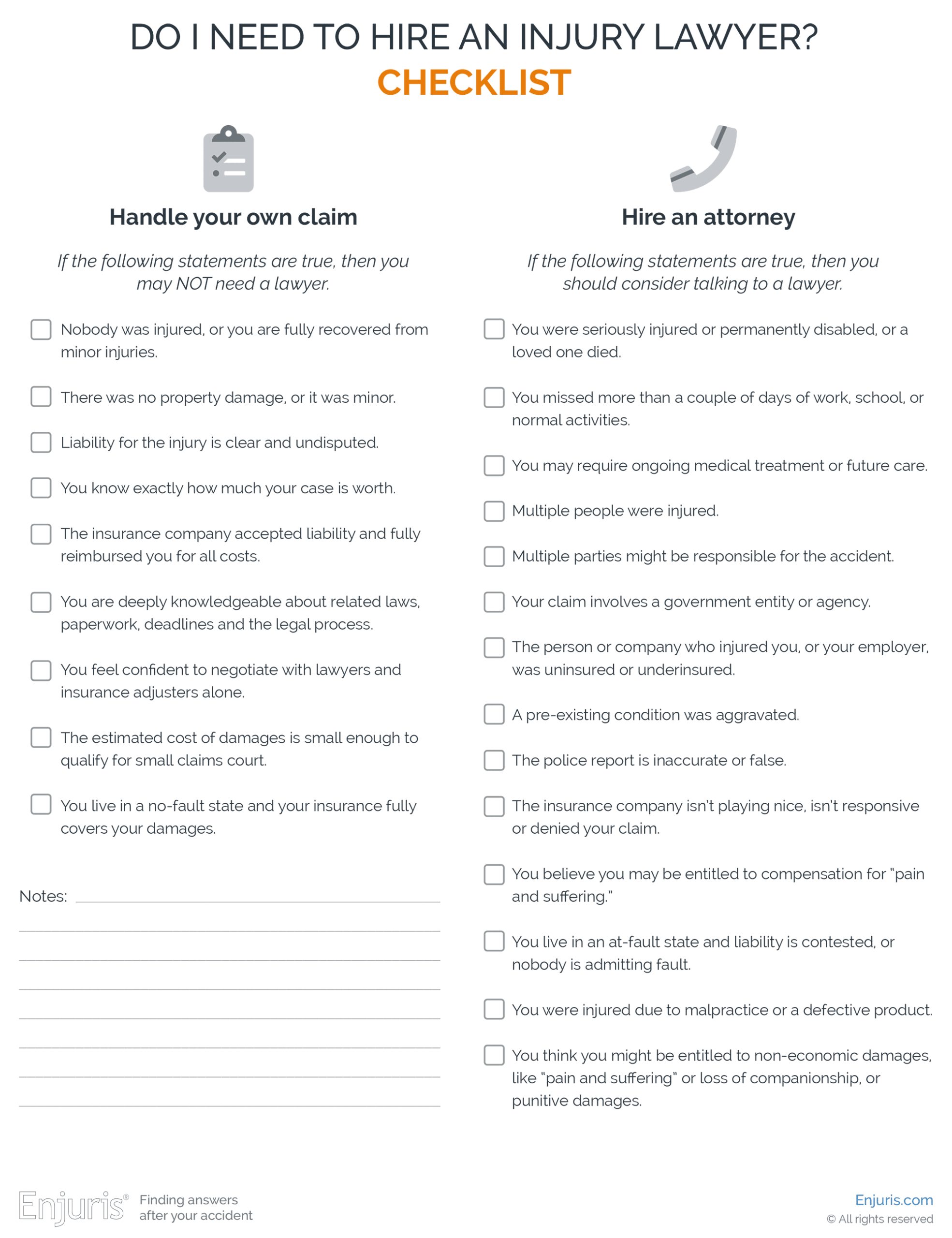
Where to find the right personal injury attorney
Hiring the right personal injury attorney can be a daunting task, especially with so many options available. Here are some concise steps to help you find the best lawyer for your needs:
- Ask for recommendations: Many good personal injury attorneys rely on word of mouth. When looking for an attorney, don’t hesitate to ask your family, friends, and colleagues for recommendations.
There are also a number of private social networks that allow you to request recommendations from people in your neighborhood. Nextdoor is one such network. - Online legal directories: Using Google or another search engine to locate an attorney can be overwhelming and often produces confusing results. A more targeted way to find a licensed personal injury attorney is to use an online directory. One option is the free online directory right here on Enjuris, which provides a list of licensed personal injury attorneys in your area along with important details, such as whether the attorney offers free consultations.
Another option is your state bar association webpage, which will allow you to locate an attorney by practice area or geographic location. - Free help: There are a number of attorneys that provide legal assistance for free (or at reduced rates). Each attorney has different eligibility requirements, but generally your household income must be less than 125 percent of the federally recognized poverty level. To find free or reduced-cost attorneys in your area, consider contacting your local bar association or your local legal aid office.
Enjuris partner attorney Mack Babcock, suggests it’s best to avoid looking for an attorney in “television ads, bus signs, and the radio.” According to Mack, “the more reputable lawyers are putting their efforts into providing value before they even meet you through the information they publish online. I would recommend you take some time to read through an attorney’s website to get a sense of who they are and then reach out.”
How to vet potential attorneys
Once you’ve identified two to five personal injury attorneys worth considering, it’s time to dive deeper to determine which one is right for you. This is where an initial consultation becomes invaluable.
Initial consultations are not just for the attorney to learn about your case and explain the necessary steps forward; they are also an opportunity for you to interview the attorney and assess if they are the right fit for you. It’s best to schedule an initial consultation with each attorney and approach these meetings with a clear plan.
At minimum, you’ll want to ask the following questions:
- How long have you been a lawyer?
- Have you handled matters like mine before?
- How do you charge your fees? (per hour, per task, contingent fee basis, etc.)
- Will you be handling all aspects of my case or will I work with an associate or paralegal?
- How do you like to communicate with clients (telephone, email, in-person, etc.)?
- How do you see my case proceeding?
Our personal injury attorney interview form will ensure you ask all the right questions and get the answers you need.
 Personal Injury Attorney Interview Sheet
Worksheet with questions to ask a personal injury attorney to help determine if he or she will be a good fit for your case
Download in PDF format
Remember that during your initial consultation, the attorney will also have questions about your case. Review and download the chart below to ensure you’re prepared.
 Your First Meeting with an Attorney
A worksheet to prepare for your first meeting with a personal injury attorney – what to bring, what they'll ask
Download in PDF format

Louisville, KY, personal injury attorney
“Too many people wait to see what will happen and then call me after they have negatively altered their case. Sometimes, I can fix the damage, but other times, it is too late. People should really call me from the scene of the crash or as soon as possible afterward so that I can effectively do my job and get them compensated.
Communication and skill are the two main components to consider when choosing an attorney. You only get one chance to hire the right lawyer the first time around. Do your research. Make sure the lawyer has good reviews and communicates with clients. A lot of people mistake hiring a big firm for more money. There are plenty of good lawyers at big firms, but sometimes their compensation structure is adverse to the client, and they have too many cases to work on.”
Financial considerations and contingency fees
Pursuing a personal injury claim isn’t cheap. Fortunately, the most common type of fee arrangement in a personal injury case is a contingency fee arrangement.
In a contingency fee arrangement, your lawyer agrees to accept a fixed percentage of the money you recover. If you don’t recover any money (either through a verdict or settlement), you don’t owe your lawyer a penny for the work they performed on your case.
To put it another way, under a contingency fee arrangement, the lawyer’s fees are contingent on winning the case or obtaining a settlement.
Frequently asked questions about personal injury lawsuits
How long does a personal injury lawsuit typically take to resolve?
The timeline for a personal injury lawsuit can vary widely depending on the complexity of the case, the willingness of the parties to settle, and court availability. On average, it can take anywhere from a few months to several years. Simple cases might settle quickly, while more complex cases involving severe injuries, multiple parties, or disputes over liability can take much longer, especially if they go to trial.
Can I switch attorneys if I’m not satisfied with my current representation?
Yes, you always have the right to fire your attorney if you are not satisfied with your representation. However, it’s important to review your current attorney-client agreement for any provisions related to termination and potential costs. Before making a switch, consider consulting with a new attorney to ensure a smooth transition and to understand any implications for your case.
What if the at-fault party does not have insurance or enough coverage?
If the at-fault party lacks insurance or has insufficient coverage, you may still have options to pursue compensation:
- Uninsured/underinsured motorist coverage: If you have this coverage as part of your own insurance policy, it can help cover your damages.
- Personal assets: You can sue the at-fault party personally, although collecting from their personal assets can be difficult, especially if they have limited resources.
- Other liable parties: In some cases, other parties may share liability (e.g., employers, vehicle manufacturers) and can be pursued for compensation.
Should I settle or go to trial?
Deciding whether to settle or go to trial is one of the most important decisions in a personal injury case. Here are some factors to consider:
- Cost: Trials are expensive. Plaintiffs often pay attorneys on a contingency basis, but defendants may pay hourly rates, creating financial motivation to settle.
- Uncertainty: Jury decisions are unpredictable. While you might receive more money at trial, there is no guarantee.
- Time: Trials can take months or years. If you need money quickly due to serious injuries, settling might be a better option.
- Privacy: Trials are part of the public record, and some parties prefer to settle to keep matters private.
Ultimately, the decision is personal and depends on the specifics of your case. Your attorney will guide you and provide recommendations, but the choice is yours.
What are my options if I have a fee dispute with my attorney?
If you have concerns about your attorney’s billing practices, the first step is to have an honest conversation with them. If the issue is not resolved, consider these options:
- State bar association: Most state bar associations offer an attorney fee dispute service, often through a free or low-cost arbitration process.
- Other counsel: You may need to consult another attorney for help recovering any money owed. This attorney can negotiate a settlement or, if necessary, help you sue your former lawyer.
Should I keep track of my medical costs after an accident?
Yes, it’s crucial to keep track of all your damages and expenses following an accident. This information is vital for determining the amount to sue for and supporting your lawsuit. Additionally, documenting how your injury impacts your day-to-day life can strengthen your case.
How long do I have to file a medical malpractice lawsuit?
The statute of limitations for filing a medical malpractice lawsuit varies by state but generally ranges from one to six years from the date of the incident or the date you discovered the injury. Consult an attorney as soon as possible to ensure you don’t miss this critical deadline.