You’ve been injured by a toxic substance—now’s your chance to prove it.
A toxic tort lawsuit often arises because a person becomes ill from exposure to some toxic substance—and sometimes it takes years (or decades) to reveal symptoms. Can you still file a lawsuit? Here’s how Illinois handles this question—and others—about toxic torts.
A toxic tort is a type of personal injury lawsuit in which the plaintiff claims that they were harmed due to exposure to a toxic substance. These substances can include chemicals, pharmaceuticals, or environmental pollutants, and the exposure can occur through various means, including air, water, or consumer products.
In order to file a toxic tort lawsuit in Illinois, the plaintiff must prove how the exposure occurred and that a person or entity was negligent in causing it. They also must prove how they were injured as a result of the toxin.
Common types of Illinois toxic tort lawsuits
Asbestos
This might be the most well-known toxic tort subject, largely because of public information campaigns when the substance was banned in building materials in the 1970s. Asbestos exposure can lead to serious lung diseases like asbestosis and mesothelioma. Lawsuits often involve individuals who were exposed in workplaces such as construction, shipbuilding, or manufacturing.
Pharmaceuticals
When a prescription or over-the-counter drug causes unforeseen health complications due to improper testing or failure to warn about side effects. Examples include lawsuits over Vioxx, which led to increased risks of heart attacks and strokes, and Zantac, which was linked to cancer.
Chemical exposure
Workers exposed to hazardous chemicals like benzene, which is used in manufacturing and linked to leukemia, often file toxic tort claims. Similarly, pesticide exposure, common in agricultural work, can cause long-term health effects such as cancer or neurological disorders.
Water contamination
Toxic chemicals can contaminate public drinking water, leading to widespread toxic tort claims. The PFAS (forever chemicals) lawsuits are examples, with many communities alleging contamination of water supplies leading to cancers and other health issues.
Lead poisoning
Lead exposure is often from old paint in homes and schools. It is known to cause severe neurological damage, especially in children, and has been the subject of numerous toxic tort lawsuits.
Radiation
Exposure to harmful levels of radiation can lead to cancer and other serious health conditions. Often, this happens because of proximity to a nuclear facility, or people who work in nuclear plants or live near contaminated sites.
Causes of action for an Illinois toxic tort lawsuit
A toxic tort exposure lawsuit typically involves multiple causes of action (legal claims), depending on how the exposure occurred and the specific circumstances of the case. Common causes of action include:
Negligence
The plaintiff must prove that the defendant failed to exercise reasonable care in handling or warning about the dangerous substance. For example, if a company fails to properly maintain its safety standards, leading to the release of harmful chemicals, it could be found negligent.
The claim must meet the elements of negligence, just like any other personal injury tort lawsuit:
- The defendant had a duty to the plaintiff
- The defendant breached their duty to take reasonable care to avoid injury
- The breach was the direct cause of the injury or illness
- The plaintiff suffered actual harm that can be compensated through damages (money)
Strict liability
Strict liability is available for plaintiffs in certain types of cases. Often, this is used in a product liability or animal attack claim.
The plaintiff need not prove negligence, but they must show that the defendant engaged in an inherently dangerous activity or distributed a defective product that caused harm. This often applies to cases involving dangerous chemicals or toxic substances.
Failure to warn
A manufacturer or supplier might be liable for failing to provide adequate warnings about the risks associated with using or being exposed to a product. This is particularly relevant in toxic tort cases where products like pesticides, chemicals, or drugs are involved.
The plaintiff would need to prove that the defendant failed to provide sufficient warnings and that the lack of warning directly caused the plaintiff’s injury.
Product liability
If toxic exposure results from a defective product (e.g., faulty manufacturing or unsafe design), the plaintiff can file a product liability lawsuit. These lawsuits often involve chemicals, industrial products, or pharmaceuticals.
Breach of warranty
This involves a claim that the product did not perform as promised. For example, if a company guarantees that a chemical is safe to use but it causes injury, the plaintiff could claim breach of warranty.
A warranty could be express or implied.
An express warranty is when the defendant makes an explicit assurance about the safety of the product. An implied warranty is when the product is implied to be safe by its nature but ultimately is not.
Nuisance
A nuisance claim might arise if toxic exposure substantially interferes with the plaintiff’s ability to use and enjoy their property. This is common in environmental toxic tort cases where pollution or contamination affects large areas.
Fraud or misrepresentation
If a defendant knowingly provided false or misleading information about the safety of a product or substance, the plaintiff can claim fraud or misrepresentation. This can include cases where companies intentionally misrepresented the dangers of a chemical or toxin.
Intentional infliction of emotional distress (IIED)
In some cases, if the defendant’s actions were particularly egregious or reckless in causing the exposure, plaintiffs can claim that the defendant intentionally caused severe emotional distress.
They must prove the defendant’s conduct was outrageous, that they had intent to cause emotional distress or acted recklessly in doing so, and that the action (or inaction) resulted in severe emotional distress.
Wrongful death
If a person dies as a result of exposure to toxic material, their family may file a wrongful death claim. This cause of action seeks compensation for the family’s loss, including loss of income, companionship, and funeral expenses. The plaintiffs must prove the death was caused by the defendant’s wrongful act.
Environmental claims (CERCLA)
Federal laws like the Comprehensive Environmental Response, Compensation, and Liability Act (CERCLA) allow plaintiffs to seek damages for the cleanup of hazardous waste sites or contamination caused by toxic substances.
Illinois toxic tort lawsuits
Illinois takes a slightly different approach to toxic torts than most states. Typically, Illinois allows the “single fiber” or “any exposure” theory, which allows a plaintiff to avoid proving a specific exposure or the level of the dose in order to have a successful claim.
Illinois also applies the Frye standard. This rule allows evidentiary standards to be more lenient than in federal courts. It says that, “scientific evidence is admissible at trial only if the methodology or scientific principle upon which the opinion is based is ‘sufficiently established’ to have gained general acceptance in the particular field in which it belongs.” In other words, even if only a minority of experts in the field agree with the plaintiff’s opinion, it could be held as fact in court.
Timing for filing an Illinois toxic tort lawsuit
The statute of limitations, or time in which a plaintiff may file a lawsuit, is two years from the date of discovery of the disease or injury. However, in an Illinois workplace exposure claim, the plaintiff may file anytime within 25 years.
Proving a toxic tort
If you were in a car accident and suffered a broken leg, it’s not hard to prove that the accident caused your broken leg. There could be evidence necessary for proving how the accident happened or who caused the accident, but if you got into the car with unbroken legs, were in a crash, and then your leg was broken, it would be fairly clear how the broken bone happened.
Toxic torts are more complicated. Exposure can happen over several years (or even decades) and it can be hard to pinpoint a single instance. Often, illnesses caused by exposure don’t appear for years (again, or decades) after the exposure happens. The defense can also argue that intervening factors explain the illness. If you claim a toxic tort illness, be prepared to have your medical records scrutinized by the defense—they will investigate genetic causes, medical history, lifestyle history, and more.
If you believe you’ve suffered an Illinois toxic tort, you can contact a personal injury attorney for more information and legal guidance.
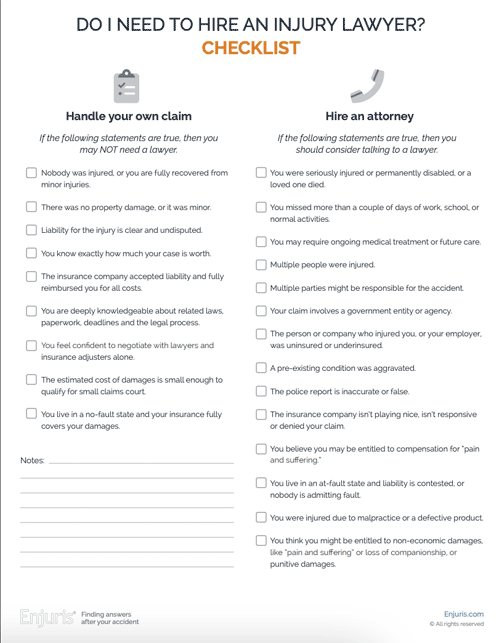 When To Hire a Lawyer Checklist
Can you handle your own claim, or should you hire an attorney? Use this worksheet to determine when you should consider hiring a personal injury or workers' comp lawyer.
Download in PDF format
 Documents & Evidence Checklist
Checklist of 30 items to help you prepare for making a personal injury or accident claim
Download in PDF format
See our guide Choosing a personal injury attorney.