A guide to recognizing abuse, reporting it, and seeking justice for nursing home residents in Ohio
Nursing home abuse is a serious and growing concern in Ohio, affecting some of the most vulnerable members of our communities. If you suspect that a loved one is suffering from neglect, mistreatment, or abuse in a long-term care facility, it’s important to act quickly.
There are a couple of decisions we make in a lifetime that can shape who we are and who we aspire to be. Careers, personal partnerships, kids, and more. But while those decisions might be the huge, life-changing ones, there are other decisions that are just as difficult and important.
In 2025, there are estimated to be about 73 million baby boomers in the U.S.; these individuals are 65 and older. Those of us in “Generation X” number about 65 million. Gen Xers were born between 1965 and 1980—and we’re also known as the “sandwich generation.”
The “sandwich generation” nickname applies to people who are sandwiched between raising their own children and caring for aging parents—maybe you can relate.
And therein lies the Big Decision.
If you have older adults in your care who become unable to live on their own and it becomes untenable for you to provide the assistance they need, what are your options? This is when people begin to look at nursing homes or assisted living facilities for their loved ones.
Certainly, your priorities are likely to be finding affordable and high-quality care. But nursing home abuse can be a concern, in Ohio and everywhere. It affects the safety and well-being of some of the state’s most vulnerable residents. A family entrusts a facility with their loved one’s care, expecting professional and compassionate treatment. But nursing home abuse can result in physical harm, emotional distress, and death.
Here’s what to look for, how to prevent abuse, and your Ohio resources for reporting abuse or getting help.
Types of Ohio nursing home abuse
Physical abuse
This might entail infliction of physical harm like hitting, slapping or improper use of restraints. It can also include force-feeding or withholding food or water, overmedicating, or using medication as a punishment.
The warning signs of physical abuse include:
Emotional abuse
Nursing home emotional abuse includes verbal or non-verbal behavior that inflicts mental anguish or emotional distress. This might be:
- Threat, insults or humiliation
- Ignoring or isolating residents
- Intimidation or controlling behavior
- Infantilizing or talking down to residents
Warning signs include:
- Sudden changes in mood or behavior
- Social withdrawal or depression
- Reluctance to speak openly around staff
- Agitation or unusual nervousness
Sexual abuse
Non-consensual sexual contact or exposure can happen in nursing homes.
Examples of nursing home sexual abuse include:
- Unwanted touching or sexual assault
- Forcing a resident to undress for no reason
- Taking or sharing inappropriate photos
- Inappropriate sexual comments
A resident could be experiencing sexual abuse if they display these symptoms:
- Bruises around breasts or genitals
- Torn, stained, or bloody undergarments
- STDs or unexplained infections
- Panic attacks or fear of certain staff members
Neglect
Neglect is the failure to provide basic needs like food, water, hygiene, medication and safety.
This could include failing to turn bedridden patients regularly (which can lead to bedsores), failure to provide clean clothes or assistance with bathing and personal hygiene, not responding to medical needs or distress calls, or poor facility sanitation.
Warnings of neglect can include:
- Dehydration, malnutrition and weight loss
- Bedsores
- Unwashed hair or dirty clothes
- Unsafe or unsanitary living environment
Financial exploitation
This is the unauthorized or improper use of a resident’s money, property or assets.
For example:
- Forging signatures or stealing checks
- Coercing changes to wills or powers of attorney
- Overcharging or billing for unnecessary services
- Misuse of credit cards or bank accounts
You might detect this type of abuse through:
- Sudden changes in finances or banking activity
- Missing belongings or valuables
- Unexplained changes to legal documents
- Confusion about financial arrangements
Abandonment
Abandonment is the desertion of a vulnerable elder by a person who has assumed responsibility for their care. It can be leaving a resident unattended in a hospital or public location or failing to provide supervision or care during assigned shifts.
Warning signs that a resident might be abandoned include being found alone in unsafe conditions, or if the resident appears confused, scared, or disoriented without explanation.
Ohio nursing home lawsuits
If you become aware that your loved one is suffering from nursing home abuse in Ohio, one method for recovery is to file a nursing home lawsuit. Although the facts and circumstances of each case are different, a lawyer can provide guidance about the likelihood of success for your claim.
Estate of Ronald H. Wysong v. Sanctuary at Wilmington Place (Dayton, Ohio)
Ronald Wysong was a resident at the Sanctuary at Wilmington Place when he died. Now, his family has filed a lawsuit against the facility, claiming compensatory and punitive damages. The family installed a video camera in Wysong’s room at the facility, of which the facility was aware. They became aware from video footage that the staff members would refuse to assist the patient while he was eating, they ignored his cries for help, they handled him aggressively during changing and bathing, and they failed to acknowledge his ongoing medical complaints. The facility was also aware that the resident needed to be on a liquid-only diet because of a tendency to choke while eating. On one occasion, the patient finished lunch and was administered a dose of his medication about an hour later. Shortly thereafter, he told his nursing aide that he was having trouble breathing. However, the nursing aide laid him on his back to change him and seemingly ignored his coughing. Although he began to choke and was experiencing visible distress, the nursing aide left him alone in his room without calling for help or alerting the staff that he was having trouble. The nursing aide returned about 20 minutes later, at which time he was unresponsive. She left the room again without checking his vitals or attempting CPR. The patient’s assigned nurse was on a smoke break, so the aide found another nurse to administer CPR—which began about 30 minutes after he became unresponsive. When the nurse was asked by a staffer if they should call 911, she asked them to wait because she was concerned they’d get sued.
Over the next several minutes, nurses came and went, started and stopped CPR, realized their crash cart wasn’t working, and had other failures. It was later discovered that none of the nursing staff in the room had active CPR certification. Finally, the staff called EMS, who also attempted CPR for about 30 minutes. At that time, it was too late and Mr. Wysong had died.
The family’s lawsuit claims the facility failed to provide proper care and treatment to the patient, and that the facility was chronically and systematically understaffed.
What to do if you suspect Ohio nursing home abuse
Here’s a step-by-step guide to taking action to protect a nursing home resident and ensure their rights are upheld.
1. Ensure immediate safety
Remove the resident from harm if they are in immediate danger. Follow up by calling 911 in an emergency that could involve physical harm or life-threatening conditions.
2. Document the signs
Take notes of what you observe, including injuries, sudden behavioral changes, unclean conditions, signs of fear, or other things. Maintain a record of dates, times, names of staff members, and any other communications or observations that concern you.
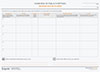 Post-Accident Journal Form
Sample accident journal/diary to help you document the effect on your daily life
Download in PDF format
Photograph evidence when possible, like bruises, bedsores, or unsafe conditions.
3. Hear from the resident
If possible, try to gently ask the resident if they feel safe and cared for. Listen without judgment and respect their comfort level.
4. Report the abuse
Start by contacting the facility, itself. Speak with the facility administrator or director of nursing. Maintain notes of all correspondence. Give the facility an opportunity to comply with regulations and correct the condition.
If the facility is not responsive to your concerns, you may contact these resources:
Ohio Department of Health (ODH) ODH complaint hotline: 1-800-342-0553
Adult Protective Services (APS) in your county
Long-term care ombudsman: 1-800-282-1206
5. File a complaint
File with the Ohio state health department or Adult Protective Services. In some cases, you may also report to Medicare or the state licensing board for nursing homes.
6. Consider filing a lawsuit
Consult a nursing home abuse attorney to understand your legal rights and whether you have grounds for a lawsuit. A lawyer can help you pursue civil damages, conduct an investigation, and help you receive compensation for financial losses.
7. Stay engaged
Even after you’ve reported the abuse, remain involved and continue to monitor the situation. Follow up with the agency and regularly check on your loved one’s condition and care.
Taking action protects not just your loved one but others who may be at risk. Don’t hesitate to speak up — your voice can help ensure accountability and better care.
Nursing home abuse is a deeply troubling violation of trust that can have devastating consequences for vulnerable residents and their families. By understanding the signs of abuse and knowing how to respond, you can play a critical role in protecting your loved one and holding negligent facilities accountable. Whether the abuse involves physical harm, emotional trauma, neglect, or financial exploitation, swift action can prevent further injury and secure justice. If you suspect abuse, document the evidence, report your concerns to the proper authorities, and seek legal guidance from a qualified attorney. No one deserves to suffer in silence, and every nursing home resident deserves dignity, safety, and compassionate care.