
You have a legal right to seek compensation for healthcare negligence
On a frigid winter night, a 22-year-old woman experiencing a mental health crisis was discharged from the emergency department of the University of Maryland Medical Center (UMMC) in Baltimore. Hospital staff escorted the woman, wearing nothing but a hospital gown and socks, to a bus stop, leaving her vulnerable in freezing temperatures. A bystander recorded the incident and posted the video online, which quickly went viral and sparked national outrage.
Although not every case goes viral, patient abandonment and premature discharge are growing concerns in today’s healthcare system. In this article, we’ll examine patient abandonment and premature discharge, including the legal consequences.
How do I prove patient abandonment?
The elements necessary to prove patient abandonment vary depending on the state. Patient abandonment cases are fact-specific. Nevertheless, in most states, you’ll need to establish the following four elements:
- Doctor-patient relationship: A doctor-patient relationship must be established.
- Critical stage: The caregiver must discontinue the doctor-patient relationship while the patient is in a critical stage of the treatment process.
- Abrupt abandonment: The abandonment must be so abrupt that the patient doesn’t have time to find an alternative treatment source.
- Damages: The patient must experience actual, measurable consequences (worse prognosis, higher medical bills, etc.)
Patient abandonment and premature discharge are similar concepts. A doctor who prematurely discharges a patient may be committing patient abandonment, but not necessarily. Nevertheless, a premature discharge may be grounds for a medical malpractice claim. If you feel you’ve been abandoned or discharged prematurely, it’s important to talk to an experienced lawyer in your area to discuss your legal options.
As a result of his negligence, Maria’s condition worsened, and she was forced to seek treatment from another surgeon who performed multiple corrective surgeries. In 2008, Maria sued Dr. Sampson for malpractice, claiming that his abandonment led to her suffering and disfigurement. The court ultimately ruled in favor of Maria, awarding her $1.7 million in damages.
Why do healthcare professionals abandon patients?
Patient abandonment is never acceptable. There are, however, factors that commonly lead to patient abandonment:
- Inadequate staffing: Inadequate staffing or high patient-to-staff ratios can lead to medical professionals feeling overwhelmed and unable to provide proper care and attention to each patient. In such situations, patients may be inadvertently abandoned or neglected.
- Poor communication: Miscommunication between healthcare providers, patients, and their families may contribute to patient abandonment. This can occur if a medical professional does not adequately explain a treatment plan, fails to coordinate with other providers, or neglects to provide appropriate instructions for follow-up care.
- Lack of empathy and compassion: Some healthcare providers may lack the necessary empathy or compassion to fully understand and address their patients’ needs. This can lead to a disregard for patients’ well-being and, ultimately, to patient abandonment.
- Inadequate training and supervision: In some cases, healthcare professionals may not have received proper training or supervision to recognize and manage complex medical situations, leading to patient abandonment when they feel ill-equipped to handle a patient’s needs.
- Personal or professional issues: Sometimes, healthcare providers face personal or professional challenges that distract them from their duties or impair their ability to care for patients, resulting in patient abandonment.
Who can be held responsible for patient abandonment?
Any healthcare provider can commit patient abandonment, including doctors, nurses, therapists, or other providers who form a professional relationship with a patient.
You can file a medical malpractice lawsuit against any medical professional who commits patient abandonment.
Additionally, you may be able to sue the hospital or clinic that employs the healthcare provider under the doctrine of respondeat superior. Respondeat superior is also known as the “master-servant rule.” It is a form of vicarious liability in that one person or entity (the hospital) may be held liable for an employee’s actions or inactions.
Can I be treated at a hospital after I sue the hospital?
If you’re suing a particular doctor or hospital, it’s a good idea to avoid direct contact with the doctor or hospital. In the event of a medical emergency, however, you may not have a choice.
Hospitals are generally required to provide emergency care to individuals in need, regardless of their legal disputes with the hospital. If you have no choice but to be treated by the doctor or hospital you’re suing, remember to limit the conversation to your present treatment and avoid discussing your legal case.
What damages can I recover in a patient abandonment case?
Patient abandonment can have significant consequences for the patient. These consequences may include the following:
- Higher medical bills: When a patient is abandoned by their healthcare provider, they may need to seek alternative care from a different doctor or medical facility. This can result in higher medical bills due to the additional cost of consultation, tests, or treatments.
- Worsening injuries: A patient who has been abandoned may experience a delay in obtaining necessary medical treatment, leading to a deterioration in their condition. In some cases, the delay could lead to irreversible damage or even death.
- Mental and emotional stress: The stress and anxiety of being abandoned by a healthcare professional can take a significant toll on the patient’s mental and emotional well-being. This added stress could exacerbate existing health problems and make it more difficult for the patient to recover.
Fortunately, most states allow patient abandonment victims to recover economic and non-economic damages in medical malpractice lawsuits:
- Economic damages represent the monetary losses caused by patient abandonment (medical expenses, lost wages, etc.).
- Non-economic damages represent the non-monetary losses caused by patient abandonment (pain and suffering, mental anguish, etc.).
In some cases, patients may be able to recover punitive damages, which are intended to punish the defendant.
Patient abandonment is a serious issue with potentially dire consequences for patients. The process of suing a doctor for patient abandonment can be challenging, but it may be a necessary recourse for patients who have suffered harm as a result of their healthcare provider’s negligence.
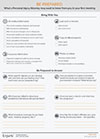 Your First Meeting with an Attorney
A worksheet to prepare for your first meeting with a personal injury attorney – what to bring, what they'll ask
Download in PDF format
See our guide Choosing a personal injury attorney.