

If you’re considering filing a lawsuit, the very first thing to do is seek the guidance of an experienced Bozeman personal injury lawyer.
However, choosing a lawyer isn’t like picking a pair of shoes—if they look good and fit okay, then they’re probably fine. The right lawyer could be the decision that makes or breaks your legal case, which could have ramifications for many years or even your lifetime.
Why choosing the right Bozeman personal injury lawyer matters
A skilled personal injury lawyer can make a major difference in the outcome of your Bozeman personal injury case. Their role includes:
- Identifying all liable parties and insurance coverages;
- Gathering evidence, expert reports, and other material related to the claim;
- Working toward reaching a mutually agreeable settlement;
- Proceeding to trial, if a settlement can’t be reached;
- Maximizing your compensation for medical bills, lost wages, pain and suffering, and other losses; and
- Adhering to Montana statutes of limitations, being mindful to preserve evidence, and paying attention to other procedural issues.
What to look for in a Bozeman personal injury lawyer
Specialization and experience in personal injury litigation
Here are some questions to ask a prospective Bozeman personal injury lawyer:
- For how many years have they been handling Montana personal injury cases?
- What cases do they typically handle: auto accidents, trucking accidents, slip and fall, wrongful death, medical malpractice, etc.?
- What’s your trial experience?
- What is your success record, or sample verdicts or settlements, in similar cases?
Familiarity with local courts and Montana law
A lawyer who’s handled cases in the Bozeman and Gallatin County area will know local judges, court staff, discovery practices, and so on. Knowing the “court culture” can make a difference in small cities and counties.
You can ask your lawyer if they’ve litigated cases in the 18th Judicial District (Gallatin County) or elsewhere in the Bozeman area. You can use the Montana Bar Association website to ensure the attorney is licensed and in good standing.
In addition, if your accident involves a tourist, out-of-state defendant, or defendant’s business from outside Montana, check that the attorney has handled cross-jurisdiction or multi-party insurance cases.
Fees and payment structure
Most personal injury lawyers work on a contingency fee basis, which means they only get paid if you recover damages or receive a settlement. However, it’s important to make sure you understand the percentage your lawyer will earn and any other fees you’re responsible for paying up front.
There could be costs for expert witness fees, depositions, travel, or other expenses.
Communication and client service
It’s okay to ask who will be your main point of contact in the law firm. Does your lawyer return calls directly, or would you be mainly speaking with a paralegal or associate attorney? How often and by what method would you receive case updates? Does your lawyer respond to their own emails, or is this task also handled by an assistant?
Often, this aspect of their practice is addressed in online reviews or testimonials, so it’s worth searching for that information to verify their responses.
Available resources and case load
Personal injury cases can require investigations, accident reconstruction, expert witnesses, depositions, and other types of trial preparation. Ask about whether the firm has the resources and staff to conduct the level of preparation your case requires. You want to feel confident that your lawsuit will get the attention it deserves. Some Bozeman law firms will restrict their caseload so each case can have the attention it needs.
Compatibility and trust
Choosing a lawyer is similar to choosing a physician. You trust them for their expertise and training, but it’s also important to feel comfortable sharing confidences. You need to feel comfortable being honest, that they are trustworthy, and that you understand each other’s expectations.
You should be aligned with their philosophy of personal injury law—if you want a “shark” who goes for blood, that’s a specific personality of a lawyer. Or, perhaps you prefer a more conservative approach, and someone who will negotiate relentlessly to try to avoid trial and still reach a reasonable settlement. Although they are the expert in the field, and you’re relying on their guidance, you should respect each other’s wishes when it comes to proceeding with your lawsuit.
Resources for finding a Bozeman personal injury lawyer
- Use the Lawyer Referral Service (LRIS). This service is provided by the State Bar of Montana. It provides referrals to personal injury attorneys in Gallatin County. The LRIS can be reached at 406-449-6577.
- Make a list of three to five Bozeman lawyers or firms. You might start searching for a lawyer online, and then narrow your list to a small handful. Begin with lawyers who practice in the specific area of law relevant to your case, then ask your personal network if they have referrals or recommendations.
- Schedule initial consultations. Many personal injury lawyers offer a free initial consultation. It’s essential to prepare for this meeting by having the date of the accident, type of injury, insurance information, medical bills, and other relevant documents. (See also: Preparing to Meet with a Personal Injury Attorney) This meeting is when both you and your prospective lawyer determine if it’s a good fit, and they might tell you whether or not they’ll take the case. You can meet with several lawyers and then choose the one who seems best for your situation.
- Sign a retainer agreement. A “retainer” is the contract you sign with your lawyer. The retainer should clearly state the fee, additional costs, what the lawyer will do, how you will receive updates and other communications, and when you can expect answers to your questions. You can negotiate the fee and add provisions, based on your circumstances.
- Stay involved in the process. Once you’ve hired a lawyer, keep communication flowing. Even if that means checking in with their paralegal or associate every couple of weeks, you’re entitled to know what progress is being made and next steps. Be sure to provide any requested documents or information as quickly as possible, and maintain your own records (such as lost wages or medical records).
Choosing the right personal injury lawyer isn’t just about finding a lawyer—it’s about finding the right fit for your case and your personality. In Bozeman, you’ll want someone who knows Montana law, knows the local Bozeman courts, is experienced in the injury field, communicates clearly, and has the resources to aggressively handle your case.
Start with the referral services, schedule a few free consultations, ask smart questions, and pay attention to how comfortable you feel with each candidate. Then make your decision, stay actively involved, and give your lawyer the support and tools they need (medical records, photos, witnesses). With the right attorney, your chances of a fair recovery improve.
 Your First Meeting with an Attorney
A worksheet to prepare for your first meeting with a personal injury attorney – what to bring, what they'll ask
Download in PDF format
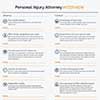 Personal Injury Attorney Interview Sheet
Worksheet with questions to ask a personal injury attorney to help determine if he or she will be a good fit for your case
Download in PDF format
See our guide Choosing a personal injury attorney.