
Here’s what to do if your loved one in a nursing home might be in trouble
Nursing home abuse is not new, but Pennsylvania laws enacted in 2023 and 2024 aim to prevent abuse, encourage reporting, and increase staffing.
It’s never an easy decision to transition a loved one into nursing home care. Often, a resident moves to a nursing home after a medical occurrence, a fall, onset of dementia or other cognitive issues, mobility problems, or simply difficulty tending to their activities of daily living.
One thing is clear, though—if a person is in a nursing home, it’s because they need caregivers and assistance. That’s why Pennsylvania has instituted new nursing home regulations in 2023 and 2024. They are designed to keep residents safe and cared for. They add safeguards that protect residents from Pennsylvania nursing home abuse.
New Pennsylvania nursing home regulations
In February 2023, Pennsylvania implemented new regulations aiming to increase transparency for ownership changes in nursing homes. An applicant for nursing home licensure must notify the state Long-term Care Ombudsman, as must any new owner if the facility is changing hands. They must also provide notice to staff and residents.
In July of that year, Pennsylvania set new minimum staffing requirements for nursing homes. The law now requires that every nursing facility has at least 2.87 hours per day of direct patient care per patient, per day, which is an increase from 2.7 hours. There are also limits on the number of residents a nurse aide may tend to in a day.
By the end of 2023, the state required that all applications are posted to the state Department of Health website, along with audited annual financial reports to renew a license. This includes a public comment period for new license applications and change of ownership applications.
Finally, in mid-2024, Pennsylvania required additional increases in minimum staffing levels. As of July 2024, a nursing facility must provide direct patient care to each patient for at least 3.2 hours each day. A nurse aide may not care for more than 10 residents in the daytime, no more than 11 in the evening, and no more than 15 overnight.
Why are these changes so important?
Every safeguard, every additional staff member, and every regulation is one step closer to preventing nursing home abuse and neglect.
Types of nursing home abuse and neglect
Nursing home abuse can take several forms, often affecting residents both physically and emotionally. Here are the primary types:
Physical abuse
This includes any form of physical harm or force that results in injury or pain to the resident. This could be hitting, slapping, pushing, or improper use of restraints.
Sexual abuse
This type of nursing home abuse includes any non-consensual sexual contact or behavior toward a resident. It includes inappropriate touching, sexual assault, or forcing the resident to view explicit material.
Healthcare fraud
Some abuse could be physical, but sometimes abuse can happen with the staffer never coming into contact with the involved resident. Unfortunately, there are also fraudulent practices related to the resident’s medical care. This could be in the form of overbilling, charging for services not provided, or providing inadequate or unnecessary treatment.
Emotional or psychological abuse
These non-physical actions cause emotional or mental distress, like insults, threats, manipulation, humiliation or isolation.
Financial abuse
Exploiting a resident’s financial resources for personal gain is nursing home financial abuse. This includes stealing money, forging signatures, coercing a resident to change their will, or unauthorized use of their finances.
Neglect
Neglect is a form of abuse. Failure to provide proper care or assistance in a way that leads to harm or distress is abuse in the form of neglect. This could include failure to provide adequate food or water, hygiene, medical care, or emotional support.
What can you do if you suspect nursing home abuse in Pennsylvania?
- Ensure the resident isn’t in immediate danger. If they are, call 911 or the local police department to address it immediately. If you’re able to remove the resident from the facility, that’s another option.
- Maintain notes or documentation. Record any signs of abuse, like bruises, bedsores, or broken bones. It’s also crucial to maintain documentation of behavioral changes like withdrawal, agitation, or depression or any financial irregularities. You can take photos of anything that might be evidence of abuse, and keep thorough notes of your concerns. Notes should include the date, any staff member you interacted with, and the nature of the concern.
- Make a report to the Pennsylvania Department of Health. The Department of Health can be reached at 1-800-254-5164. You may file a complaint online or contact the Nursing Home Complaint Hotline at the listed number. The complaint may be anonymous, but providing details can help the investigation.
- Contact the Pennsylvania Long-term Care Ombudsman Program. This program advocates for nursing home residents and can help investigate complaints. They are reached through the Pennsylvania Department of Aging at 717-783-8975.
- Look into additional Pennsylvania resources. Adult Protective Services (APS) is available for residents under 60 years old to report abuse. This agency can be reached at 800-490-8505. You can also contact the Area Agency on Aging (AAA) at the same number for residents 60 and over.
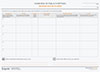 Post-Accident Journal Form
Sample accident journal/diary to help you document the effect on your daily life
Download in PDF format
The other important step in this process is to consult a qualified Pennsylvania attorney. An attorney can determine what your next steps should be, follow up on an investigation, and advise you of your legal rights in the matter.
Pennsylvania laws and regulations to protect against nursing home abuse, neglect and exploitation
- Pennsylvania Nursing Home Resident Rights (Pennsylvania Code Title 28, Chapter 201)
- The right to be treated with dignity and respect.
- The right to be free from abuse, neglect, and exploitation.
- The right to privacy, including in medical treatment and personal care.
- The right to manage their own financial affairs or have a representative do so.
- The right to participate in decisions about their care, including the right to refuse treatment.
- The right to be fully informed about their health condition, services available, and any charges.
- Mandatory reporting laws (Protective Services for Older Adults Act)
Healthcare providers, social workers, and nursing home employees and administrators are mandated reporters. They are required by law to report suspected physical, emotional, or sexual abuse, financial exploitation, or neglect of residents age 60 and older to the AAA or APS. - Criminal penalties for abuse
Criminal neglect of a care-dependent person (18 Pa.C.S. § 2713) can result in fines or imprisonment. It applies when caregivers knowingly, recklessly, or negligently cause harm or fail to provide necessary care. § 2713.1 applies to physical, sexual, or emotional abuse of a care-dependent person, which includes nursing home residents. Penalties vary based on the severity of the abuse and whether it resulted in injury or death. - Licensing and regulation of nursing homes
Pennsylvania nursing homes are licensed and regulated by the Pennsylvania Department of Health, which enforces federal and state regulations under the Nursing Home Reform Act of 1987. This ensures residents receive proper care by conducting regular inspections and investigating complaints. - Civil liability for neglect and abuse
A nursing home could face a civil lawsuit for abuse, neglect, or exploitation. Claims could include negligence, wrongful death, breach of contract, or other causes of action. - Federal Nursing Home Reform Act (OBRA) of 1987
The Federal Nursing Home Reform Act, also known as OBRA ’87, is a federal law that established minimum standards of care and rights for nursing home residents. The law was passed by Congress in 1987 as part of the Omnibus Budget Reconciliation Act (OBRA).
OBRA governs much of the care provided in Pennsylvania nursing homes that receive Medicare or Medicaid funding. It sets minimum standards for nursing home care that includes ensuring that residents are free from unnecessary restraints or medication, requiring that nursing homes develop a care plan for each resident, and establishing processes for filing complaints and grievances. - Protection for care-dependent people
Pennsylvania Statutes Title 35, § 10225.302 protects individuals who depend on others for care, including nursing home residents, by prohibiting abuse, neglect, exploitation, and abandonment of care-dependent individuals, and violators can face civil or criminal penalties.
If your loved one has been affected by nursing home abuse, you can contact a Pennsylvania lawyer for guidance.
See our guide Choosing a personal injury attorney.