Defective pharmaceutical devices like the ParaGard IUD can cause lasting complications for users
There are a variety of ways to prevent a pregnancy. Birth control pills, condoms, and other devices are designed to allow someone to plan their pregnancies—or plan not to become pregnant.
An IUD (intrauterine device) is a popular form of birth control. It’s a small, flexible plastic device shaped like a T that is inserted into the uterus by a medical provider and would remain in the uterus for seven to 12 years unless the user decides to have it removed.
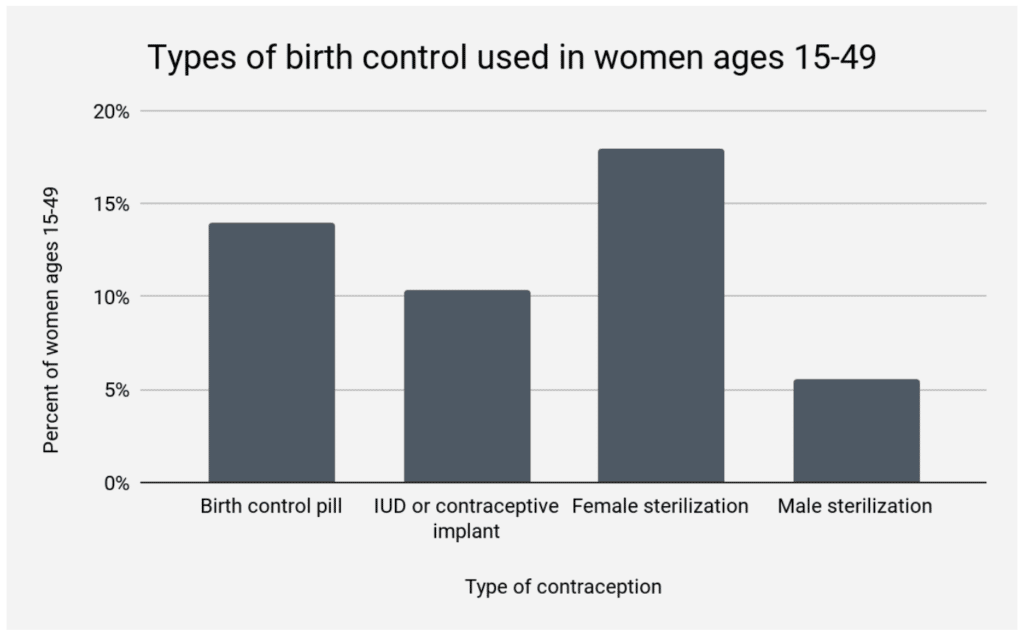
Of women who use birth control, 10.4% choose an IUD or other contraceptive implant.
How does an IUD work?
The way an IUD works is by preventing sperm from reaching an egg. If the sperm can’t get to the egg, the egg can’t be fertilized and there is no pregnancy. A lot of people love IUDs because they are hassle-free (once it’s inserted, you don’t really need to think about it again until it’s time to be removed), it can be easily removed if you decide you want to become pregnant, and many people with IUDs don’t have monthly periods (or a period would be very light if they have one).
Four manufacturers make hormonal IUDs: Mirena, Kyleena, Liletta, and Skyla. These use the progestin hormone to prevent pregnancy.
ParaGard is a copper IUD manufactured by Teva Pharmaceuticals. Sperm do not “like” copper, so they will direct themselves away from the IUD and ParaGard makes it nearly impossible for sperm to reach an egg.
ParaGard injuries
There have been a variety of claims made regarding injuries suffered as a result of ParaGard. Primarily, plaintiffs have said that the ParaGard device breaks inside them during removal, and that they were not adequately warned of potential risks.
Removing a ParaGard IUD is considered by the manufacturer to be “non-surgical.” It is removed by a doctor or nurse during a routine visit in a doctor’s office.
When the provider removes a ParaGard device, its arms should fold up in order to slide out of the body. However, plaintiffs claim that the device breaks during the removal and broken pieces have remained in the women’s bodies. Some of these plaintiffs required surgery in order to have the broken pieces of the device removed.
The broken pieces left behind resulted in injuries that include:
- Broken pieces that can’t be removed
- Inflammation
- Pain or discomfort
- Infertility
- Laparotomy or hysterectomy
- Pieces of IUD lodged inside organs
- Allergic reactions
- Infections
In addition, there are reported ParaGard side-effects that a user can experience for the first several months following implantation. These include:
- Pain during sexual intercourse
- Heavy, long periods
- Allergic reactions
- Menstrual cramps
- Vaginal discharge
- Dislodging of the IUD
- Uterine wall perforations
- Spotting between periods
- Pelvic inflammatory disease (PID)
- Ectopic pregnancy
- Abcesses and disease of the bladder, bowel, vagina and cervix
Pregnancy risks after failed IUD use
If a ParaGard or other contraceptive device fails, it can result in more than just an unplanned pregnancy.
If a person becomes pregnant while using an IUD, it can lead to anemia, endometriosis, preterm birth, low birth weight, spontaneous abortion, and fetal death.
Expulsion of ParaGard from the uterus
It is possible for the body to expel ParaGard from the uterus, and the person might not feel or be aware of it happening.
You’re at higher risk for expelling ParaGard if you:
- Are younger than 25
- Have never been pregnant
- Have a history of severe menstrual pain
- Had the IUD inserted immediately after childbirth
- Experience heavy or lengthy periods
- Have previously expelled an IUD
Types of ParaGard lawsuits
When you’re injured as a result of a product defect, you can sometimes file a lawsuit against the manufacturer on one (or more) of three grounds:
- Design defect. This is when a product’s design is such that, even when crafted exactly according to its specifications, it could cause an injury because it is defective and inherently dangerous, even when used properly.
- Manufacturing defect. When a product would be safe when built correctly according to its design specifications, but something goes wrong in the manufacturing process (broken part, incorrectly built, loose screws, etc.) that renders the item unsafe.
- Failure to warn. When any manufacturer does not provide adequate caution or warning information for a product, and the product injures someone because they did not fully understand how to use it properly because of the lack of warnings, or if they were not warned of the risks inherent in using the product, the manufacturer can be liable for a product liability claim on that basis.
ParaGard lawsuits have been filed for claims of design defects and failure to warn. Plaintiffs claim that the company knew that there were dangerous potential side-effects to ParaGard users but the instructions and warnings did not include this information.
Is there a class action lawsuit for ParaGard injuries?
At present, more than 1,000 Paragard IUD cases all across the country have been consolidated as multidistrict litigation (MDL) in Georgia. Multidistrict litigation is a legal proceeding intended to promote efficiency in the courts. Each case in the MDL remains a separate case, but a single judge oversees all of the discovery and pretrial proceedings.
Once the discovery and pretrial proceedings are completed, each case is transferred back to its original district for trial. The MDL judge can also select an individual case for a “bellwether trial.” This trial takes place before all of the other trials and serves as a test to see how juries will rule on the facts of the case, which helps all of the other plaintiffs decide whether to continue with their trials or settle.
In September 2022, the judge presiding over the Paragard MDL, the Honorable Leigh Martin May, indicated that the first bellwether trial would be held in January 2024.
Keep in mind that you can still file a Paragard IUD lawsuit even if you’re not part of the MDL.
What to do if you’ve suffered a ParaGard injury
First, seek medical treatment. If you’re experiencing pain or other symptoms, it’s important to find out what can and should be done in order to prevent further damage, and to correct any issues you’re already experiencing.
Next, make sure your doctor will document in your medical chart that the symptoms you’re having are caused by removal of your ParaGard device.
Then, seek the guidance of an attorney who is experienced in handling cases for defective pharmaceutical devices. Your lawyer will determine whether you have a case and how much you can claim in damages.
Types of damages for a defective ParaGard claim
A defective pharmaceutical device claim is similar to other types of personal injury lawsuits.
In a personal injury claim, you can receive compensation for your financial losses. A plaintiff (the injured person) is entitled to be made whole, or to be restored to the financial condition you’d be in if the accident (injury) hadn’t happened.
However, it’s not just a matter of counting dollars. In a claim for a defective ParaGard device, you might also be entitled to losses for pain and suffering, mental anguish, and other emotional distress if your injuries were severe, left you with lasting issues, or resulted in birth defects to or death of your baby.
You could receive damages to compensate you for costs associated with:
- Medical treatment, past and future, related to the injury
- Lost wages, if your recovery resulted in time off from work or if you’re left with a disability that affects your ability to work
- Pain and suffering or mental anguish
Can you sue for wrongful pregnancy?
Every contraceptive drug, device, or method includes a warning that it is not 100% effective at preventing pregnancy.
There are 42 states that allow wrongful pregnancy lawsuits, or claims related to the birth of a healthy baby where the cause of action is that the pregnancy never should have happened in the first place.
Of those 42 states, 31 do not allow damages for the costs of raising a child. However, you can recover damages for:
- Pain and suffering
- Pregnancy-related medical costs
- Lost wages (during maternity leave)
- Expenses of the failed sterilization procedure (tubal ligation or vasectomy)
- Loss of consortium
- Emotional distress
The rationale behind these laws is that the theory in most states is that a baby is loved and wanted by their parents once they arrive, even if the pregnancy was unplanned. That is why financial compensation is limited to pregnancy- and birth-related medical expenses and does not include the normal expenses of raising a child.
In the states that do permit lawsuits for wrongful pregnancy, it’s based on a doctor’s malpractice or a sterilization procedure that failed to prevent pregnancy. That means it applies to a botched tubal ligation, vasectomy, or other procedure for the purpose of preventing pregnancy. However, it would likely not apply to people who choose barrier protection (i.e. condoms or diaphragm), birth control pills, or IUDs because each of these methods specify that there is a small percentage of people who become pregnant, even when using these prophylactic measures.
ParaGard lawsuits are associated with injuries that result from the removal of the devices or harm directly related to the device, not with pregnancies that occurred while using ParaGard. The Mayo Clinic reports that fewer than 1% of people who use ParaGard become pregnant in the first year with the device. Over time, the percentage could be slightly higher but the likelihood of pregnancy remains very low.
Conception while using ParaGard does increase the risk of an ectopic pregnancy, which is a dangerous and potentially fatal condition that happens when the fertilized egg implants in a fallopian tube or elsewhere outside the uterus. However, because ParaGard prevents most pregnancies, the risk of an ectopic pregnancy while using ParaGard is still less than the risk of an ectopic pregnancy for someone who is not using contraception. Anyone who becomes pregnant could have an ectopic pregnancy, regardless of contraceptive use.
Signs that you’re experiencing issues with ParaGard
The Mayo Clinic recommends that you seek medical help immediately if you have ParaGard and experience one or more of these symptoms:
- Signs or symptoms of pregnancy
- Heavy vaginal bleeding
- Exposure to a sexually transmitted infection (STI)
- Unexplained fever
- Foul-smelling vaginal discharge
- Pelvic pain
- Severe abdominal pain or discomfort
- Breakthrough bleeding or bleeding after sex
- Painful sex (for you or your partner)
- Strings are missing or appear longer
- You can feel the device in your vagina or at your cervix
Your medical provider can determine whether the ParaGard is still in place or needs to be removed.
If you believe you’ve suffered an injury related to a ParaGard IUD, you can use the Enjuris law firm directory to find a lawyer near you who can help.
See our guide Choosing a personal injury attorney.