

Oil fields in the Treasure State continue to grow… and so do workers’ injuries
Montana produced 23,178,000 barrels of crude oil in 2016. Fallon County and Carbon County were among the top producers in 2017, but many other communities throughout Montana rely on the oil industry.
An oil field is an area with oil wells from which workers can extract petroleum (crude oil) from underground. One of the larger oil production fields in Montana is the Bakken Shale, which also extends into North Dakota (as well as Saskatchewan and Manitoba in Canada). The Bakken field alone produced up to 56,000 barrels per day in East Montana.
What does an oil and gas field worker do?
Oil and gas extraction companies operate and develop oil and gas field properties. This includes:
- Exploring for crude petroleum and natural gas
- Drilling, completing, and equipping wells
- Operating separators, emulsion breakers, desilting equipment, and field gathering lines for crude petroleum and natural gas
- Activities in preparation of oil and gas to the point of shipment
- Production of crude petroleum
- Mining and extraction of oil from shale and oil sands
- Production of natural gas
- Sulfur recovery from natural gas
- Recovery of hydrocarbon liquids
Oil and gas production is a highly regulated industry, and it’s governed by Montana laws, federal law, administrative rules, the Montana Board of Oil and Gas Conservation, and the Montana Department of Environmental Quality. There are field inspectors who make routine visits to wells to ensure compliance and inspect for spills, leaks, fires, and other hazards.
Oil field injuries in Montana
Oil fields are ripe for accidents because of the heavy machinery, explosives, and other conditions that are inherently dangerous.
These are the most common injuries in Montana oil fields:
- Burns
- Amputation injuries
- Broken bones
- Toxic chemical exposure
One thing that makes oil field and offshore drilling accidents unique is that they’re often more extreme than other kinds of workplace accidents. A worker on any job site can experience a slip and fall, could hurt themselves by performing heavy lifting, or become injured by a variety of other accidents.
But explosions, toxins, and heavy equipment all raise the likelihood that an injury could be severe, or that an accident could result in a fatality.
I was severely injured in an oil field accident. What are my legal options?
Generally, Montana workers’ compensation insurance is the legal remedy for a work-related injury.
Workers’ compensation insurance provides an injured oil field worker with benefits for:
- Medical expenses. This includes doctor and hospital visits, medication, surgery, diagnostic testing, treatment, therapy, physical rehabilitation, assistive or adaptive devices, and any other costs related to physical recovery.
- Lost wages. Benefits provide for loss of both past and future income, up to a specific weekly maximum. For more on the amount of benefits available, read the Enjuris workers’ compensation FAQ.
- Survivor benefits. If you’ve lost a family member in an oil field accident, you might be eligible to receive a percentage of the worker’s average weekly wages. Workers’ compensation also covers a portion of funeral and burial expenses.
Liability or negligence in an oil field accident
Workers’ compensation is your first remedy for a workplace accident. In most circumstances, it’s your only remedy.
The purpose of workers’ compensation is twofold:
- It provides benefits to an injured worker in order to ensure that you receive the money you need to cover your medical and living expenses until you’re back on your feet.
- It protects your employer from legal liability. Once a workers’ compensation claim is settled, you’re not permitted to file a lawsuit against your employer for that injury. As mentioned earlier, workers’ compensation benefits will cover a workplace injury whether or not the employer had any fault.
But what if your injury was caused by someone else’s negligence?
For example, perhaps you fell at work because a harness broke. Or you suffered burns in an oil field because of faulty equipment.
In those situations, you might be able to file a lawsuit against the manufacturer of the equipment. Doing so wouldn’t affect your workers’ compensation, and it might provide additional relief that workers’ comp can’t.
In an oil field, there might be several contractors working together, operating oil rigs, or transporting and managing chemicals or substances. If another company’s employee is negligent and causes your accident or injury, you might be able to file a lawsuit against that company.
When to consult a work injury attorney
Workers’ compensation covers benefits up to a mandated maximum amount. Workers’ compensation does not cover damages for pain and suffering. If the injury is especially long-lasting or painful, or if you’ve lost a loved one in an oil field accident, and if the injury was caused by a product defect or the negligence of a person or business other than your employer, a personal injury lawsuit might be your best option.
Any of these circumstances can involve factors that require you to prove fault, whether there was negligence, and what the damages could be. An oil field accident that involves one or more employers and equipment isn’t always as straightforward as a regular car accident, for example.
That’s why a Montana personal injury lawyer is your best bet to determine what you can recover. Your lawyer will review every aspect of your injury, including how it happened, who was at fault, and how much it will cost for your treatment and recovery. With your lawyer’s advice and help, you can get the money you need to pay for recovery and life expenses.
 Damages/Expenses Worksheet
Damages worksheet to track expenses for your injury claim (medical treatment, property damage, lost wages, prescriptions)
Download in PDF format
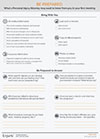 Your First Meeting with an Attorney
A worksheet to prepare for your first meeting with a personal injury attorney – what to bring, what they'll ask
Download in PDF format
See our guide Choosing a personal injury attorney.