

Choosing the right attorney can make or break your case
Savannah has more than 1,500 attorneys, but only a few will be the right fit for your personal injury case. This guide explains when you need a lawyer, how contingency fees work in Georgia, and how to evaluate attorneys using trusted directories and smart interview questions. Use these tips to make an informed, confident decision about your legal representation.
There are more than 1,500 licensed attorneys in Savannah and the surrounding Chatham County area. Although many may be qualified to handle your personal injury claim, only a select few will be the right fit for you.
Personal injury cases are deeply—well—personal. You’ll need to share medical details, employment information, and other sensitive parts of your life with your lawyer. And because many injury cases take months or even years to resolve, choosing someone you trust (and feel genuinely comfortable with) is essential.
An attorney-client relationship is a bit like a marriage. So let’s make sure you don’t marry the wrong person.
Do I even need a personal injury lawyer?
Before you get too far down the path, it’s important to consider whether you actually need a personal injury attorney.
If your accident didn’t result in any injuries, it may not be necessary to hire a lawyer. That said, be extremely cautious when concluding that you weren’t injured. Some conditions—especially concussions, soft-tissue injuries, and internal injuries—can take days or even weeks to show symptoms.
A mild headache can mask a serious brain injury. Always get checked by a doctor after an accident, and consider speaking with a lawyer as well.
The good news is that most personal injury attorneys in Savannah work on a contingency fee basis. This means the attorney doesn’t get paid unless they recover compensation for you. As a result, lawyers are unlikely to take your case unless they believe you have legitimate grounds to pursue a claim.
Georgia’s contingency fee rules
While Georgia does not impose a strict percentage cap on contingency fees, it does require transparency.
Under Georgia Rule of Professional Conduct 1.5(c):
- All contingency fee agreements must be in writing
- The agreement must clearly explain how the fee is calculated
- Clients must receive a copy of the signed contract
- At the end of the case, the attorney must provide a written statement explaining the outcome and the fee calculation
These protections help ensure that clients understand exactly how fees work before committing to representation.
How do I find a personal injury attorney in Savannah
Once you’ve determined that you need legal help, the next step is narrowing your search. Fortunately, there are a number of ways to get from 1,500 options down to one.
Family, friends, and colleagues
When you need a recommendation for a great restaurant or a trusted dentist, you probably start by asking the people you know. The same approach works when choosing a personal injury lawyer. You may be surprised at how many friends, family members, or coworkers have experience with attorneys and can share who treated them well—and who didn’t.
You can also turn to private neighborhood-based platforms like Nextdoor, where locals often share recommendations for attorneys they trust.

In many neighborhoods, Nextdoor has become crowded with self-promotion. Make sure the person offering a recommendation is a client, not the lawyer themselves.
Online legal directories
Google searches can produce pages of overwhelming results, many of which are sponsored or difficult to evaluate. Instead, consider using targeted legal directories.
One of the most reliable resources is the State Bar of Georgia’s Attorney Directory. You can search by name, location, and practice area, and view basic information such as bar status and disciplinary history.

Another helpful resource is the Savannah Top Ten Attorney page on Enjuris. Our attorney review team evaluates Savannah lawyers across more than ten variables using our comprehensive TRUST evaluation method. Each of the attorneys featured in Savannah’s Top Ten list focuses on personal injury law and has been thoroughly vetted by our team of attorneys.
Just as important: attorneys cannot pay to be included. Selection is based on merit—and merit alone.

Consider free or low-cost legal help
Savannah and Chatham County have several organizations that provide legal assistance at low or no cost. Eligibility typically depends on your household income, often capped near 125 percent of the federal poverty level.
Savannah-area legal aid resources include:
- Georgia Legal Services Program (GLSP): Provides civil legal assistance to low-income Georgians throughout the state, including Chatham County.
- Savannah Bar Association referral resources: Offers additional pathways to community legal support.
If you don’t qualify for legal aid but still cannot afford a private attorney, you can contact the State Bar of Georgia’s Lawyer Referral Service at 1-800-334-6865. For a small administrative fee, you can schedule an initial consultation with a licensed Georgia attorney to discuss your options.
What should I ask an attorney I’m considering hiring?
Once you’ve identified a shortlist of Savannah attorneys, schedule an initial consultation with each. Most personal injury attorneys offer these meetings for free, but confirm when booking and again before the meeting begins.
Bring any documents related to your accident, such as police reports, medical records, photos, and insurance correspondence. The better prepared you are, the more you’ll get out of your initial consultations.
When speaking with an attorney, consider asking:
- How long have you been practicing law?
- How much of your practice involves personal injury cases?
- Have you handled cases similar to mine?
- How do your fees work?
- Who will be handling the day-to-day aspects of my case?
- What is your preferred method of communication with clients?
- How do you see my case progressing over time?
Keep in mind that you’re the one choosing the attorney, not the other way around. Ask as many questions as you need. You want to be confident this is the right fit for your case.
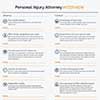 Personal Injury Attorney Interview Sheet
Worksheet with questions to ask a personal injury attorney to help determine if he or she will be a good fit for your case
Download in PDF format
 Your First Meeting with an Attorney
A worksheet to prepare for your first meeting with a personal injury attorney – what to bring, what they'll ask
Download in PDF format
Once you’ve met and interviewed a handful of attorneys, you’re ready to make an informed decision. Good luck!
See our guide Choosing a personal injury attorney.