
Tips, tricks, advice and more for assisting your aging loved ones
Every year, millions of American seniors over the age of 65 suffer from injuries resulting from slip and fall accidents. Many of these falls occur at home, but they can (and do) really happen anywhere. That’s why it is the responsibility of business owners to make certain their place of business is safe for patrons of all ages, and the elderly can do their own part to reduce the number of accidents.
According to the Centers for Disease Control & Prevention (CDC), more than one in four adults falls each year, but less than half report the injury to their doctors. Even worse is the fact that if an elder has fallen, the likelihood of falling again doubles.
Other chilling facts include:
- One out of five falls can result in fractured bones or head injuries
- The most common cause of traumatic brain injury (TBI) is a fall
- More than 800,000 patients are hospitalized each year because of fall injuries like hip fractures or head injuries
- Of those 800,000, 300,000 are seniors who have been hospitalized because of hip fractures
- Hip fractures are caused by falls 95% of the time
Tweet this
How can the elderly prepare themselves for a potential fall? Are there ways to mitigate risks or stabilize patients?
Ways to prevent slip and falls in the elderly
There are many ways for seniors to prevent falls as they age. The CDC offers materials through the STEADI program for both medical practitioners and patients. STEADI stands for “Stopping Elderly Accidents, Deaths & Injuries.”
In addition to those resources, here are some of the best pieces of advice:
- Get regular exercise. Weight-bearing exercises are necessary to increase leg strength and improve balance. Tai Chi is an excellent program recommended by many geriatric doctors. There are also chair yoga programs specifically designed for seniors. Walking is an excellent form of exercise as well.
- Wear proper footwear. This seems obvious, but a well-tied pair of sneakers is much better for seniors than an old pair of flats or slippers. Shoes should have a tread and be securely on the feet. This goes for inside the house as well. Socks are not good for the elderly when they want to stay upright.
- Take your vitamins. An elder’s diet should be chock-full of calcium and vitamin D; these help keep bones strong. Supplements might be necessary if levels are too low. A doctor can take a simple blood test to determine whether supplementation of diet is needed.
- Review medications. While an elder is getting a blood test, the doctor can review medication regimens and make sure that none of them causes extreme dizziness or vertigo. He can also check for osteoporosis.
- Prepare your home. Like child-proofing a house for a baby or pet, it helps to be prepared. Install railings in your stairways, as well as bars inside and outside of the bathtub. Lighting should also be maintained in case the elder’s vision decreases over time (speaking of which, make sure to keep track of whether vision is in fact decreasing over time; this means a visit to the optometrist). Move furniture out of pathways and keep items from the floor.
- Keep track of injuries. If you or a loved one has fallen, make sure to write down what happened during the accident and what symptoms have arisen. We have prepared a post-accident pain journal that can help order your thoughts.
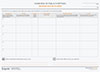 Post-Accident Journal Form
Sample accident journal/diary to help you document the effect on your daily life
Download in PDF format
How businesses can help with fall prevention for the elderly
Businesses owe their customers the highest duty of care and should do whatever is necessary to provide the safest possible environment, especially for the elderly. Here are some tips for businesses to consider:
- Remove boxes and unnecessary items from aisles that present a tripping risk
- Install proper lighting in all public spaces
- If your business is not supposed to be well lit (e.g., a bar or restaurant), make sure there is appropriate signage and that walking paths have lights
- Avoid stairs and inclines if possible (if impossible, install proper signage)
- Wipe up spills immediately
- Run a safety check each hour to ensure no situations require immediate attention
- Install proper rails for the elderly and handicapped
- Slip-proof entrances and exits
- Maintain the outdoors and parking lot
Hopefully these tips will assist store owners in keeping accidents from their stores. It will also help elderly shoppers avoid a potentially life-changing injury. However, if you or your loved one have been injured in a slip and fall accident caused by someone’s negligence, contact an experienced attorney. Falls can result in injuries that last a lifetime. A lawyer can help you get compensation you deserve.
See our guide Choosing a personal injury attorney.