
Learn to spot the red flags in your attorney-client relationship
This article outlines ten red flags to help you assess if your current legal representation is the best fit for your needs, ensuring informed decisions in your attorney-client relationship.
Choosing the right lawyer is a critical decision that can significantly impact the outcome of your legal case. Unfortunately, even if you take the time to carefully research and select a lawyer, not all attorney-client relationships work out as expected.
It’s important to recognize the signs that your lawyer may not be the best fit for your needs. This article looks at ten red flags that suggest you might need to reconsider your legal representation.
1. Lack of communication
Just like marriage, good communication is the cornerstone of a successful attorney-client relationship. If your lawyer is consistently unresponsive, fails to return calls or emails in a timely manner, or doesn’t keep you updated on important developments in your case, it’s a big red flag.
Understand that sometimes, your calls may be answered by an assistant or paralegal, as it’s not always possible to speak directly with your lawyer. This is particularly true if your lawyer is occupied with travel or involved in a trial. However, so long as their assistants respond to your inquiries and keep you informed with updates, this arrangement may be sufficient.
You should not accept legal advice from an assistant or paralegal. They are expected to communicate your questions to your lawyer and then convey the lawyer’s response to you in the event your lawyer is unable to respond to you personally.
2. Unclear fee structure
Transparency regarding attorneys fees is absolutely essential. Your lawyer should provide a clear, written agreement outlining their fee structure. Just as important, your lawyer should be happy and willing to answer any questions you have about the fee structure.
If your lawyer avoids talking about fees until after the attorney-client agreement is signed, is vague about costs, or adds unexpected fees without proper explanation, you probably have a bad lawyer.
The most common type of fee arrangement in a personal injury case is a contingency fee arrangement. Learn more about these types of arrangements, including the options that exist if you’re involved in a fee dispute with your attorney.
3. Unethical billing
Unethical billing can take many forms, including unreasonable fees, double billing, and bill padding. While unethical billing is less common in contingency fee arrangements, it can still happen.
If you suspect that your attorney is involved in unethical billing, it’s crucial to address the issue promptly. Initiate a conversation to discuss your concerns about the billing practices. Be clear, direct, and have supporting evidence if possible. If the explanation provided is unsatisfactory or if the issue persists, be prepared to consider finding new legal representation.
Learn more about unethical billing, including what to do if you think your lawyer is taking advantage of you.
4. Other ethical concerns
Ethical integrity is non-negotiable in legal practice. We’ve already discussed unethical billing, but there are other unethical behaviors that warrant immediate attention. These include:
- Breach of confidentiality: Your lawyer must maintain the confidentiality of all information related to your case. Any unauthorized disclosure of sensitive information can be detrimental to your legal position and is a serious breach of professional ethics.
- Conflict of interest: A lawyer should never represent you if they have a conflicting interest that could affect their loyalty or performance. This includes situations where they may have a personal or financial interest that conflicts with your best interests.
- Misuse of client funds: Lawyers are often entrusted with clients’ funds, such as retainers or settlement amounts. Any misappropriation or mishandling of these funds is a grave ethical violation.
- Dishonesty or misrepresentation: Honesty is paramount in legal practice. If a lawyer is found to be lying to you, the court, or others involved in your case, or if they misrepresent facts or law, it’s a clear ethical violation.
- Pressure tactics or coercion: Your lawyer should provide advice and recommendations, but the ultimate decisions are yours to make. If you feel pressured or coerced into making decisions against your will, this is unethical.
If you encounter any of these behaviors in your legal representation, it’s essential to take action. This could involve having a frank discussion with your lawyer, seeking a second opinion, firing your attorney, or filing a complaint with your local state bar association.
5. Lack of interest
Your personal injury case is important, and your lawyer should treat it as such. If your lawyer seems perpetually disinterested, distracted during meetings, or too busy to give your case the attention it deserves, this could severely impact the quality of their representation.
Remember, your attorney works for YOU. A good lawyer should be actively engaged, asking detailed questions, and showing a genuine interest in achieving the best possible outcome for you.
6. Disorganization
Organization is an indispensable skill in the legal profession. A lawyer who isn’t inherently organized should take deliberate steps to cultivate this trait, including hiring an assistant to ensure the lawyer stays organized.
If your lawyer repeatedly misplaces critical documents, seems to forget key details of your case, or misses important deadlines, these are significant concerns. Such lapses can not only impact the progress of your case but also potentially lead to adverse outcomes. A lawyer’s attention to detail and their systematic approach to handling your case are as important as their legal expertise.
If you encounter these issues with your current lawyer, you may need to consider changing legal representation.
7. Inadequate legal strategies
Becoming a lawyer requires significant study and dedication, yet this doesn’t guarantee expertise in every legal area. Sometimes, especially in smaller cases, tasks may be assigned to less experienced attorneys within the firm. These newer attorneys might not yet have developed a thorough understanding of the specific legal area pertinent to your case.
A competent lawyer should have a well-thought-out strategy for your case, along with a willingness to communicate this strategy.
If your lawyer seems to lack direction, changes strategies frequently without sound reason, or fails to explain their approach clearly, it might indicate a lack of experience or expertise in your specific legal issue.
8. Pressure to make a decision
While your lawyer is there to provide legal advice and guidance, the final decisions about your case are YOURS. If you feel pressured into making choices you’re uncomfortable with, such as accepting or rejecting a settlement offer, or your lawyer is making decisions without your consent, it’s a sign they might not have your best interests at heart.
“I tell my clients that the legal system is akin to a complicated river. They need to get their boat from start to finish. When I’m hired, I see myself as the navigator. I give the best advice I can, but at the end of the day, the client is the boat’s Captain. The client gets to make the decisions.”
– George Taylor

9. Overpromising and underdelivering
Be wary of lawyers who make grand promises about the outcome of your case without a realistic assessment of its merits and potential challenges.
Overpromising and subsequently underdelivering is a common issue with some lawyers, particularly those who might be more interested in securing clients rather than providing a frank and honest appraisal of the case.
If your lawyer frequently assures you of a certain outcome without acknowledging the inherent uncertainties of legal proceedings or fails to deliver on promises made, it could be a sign of their inability to manage expectations or a lack of honesty in their approach.
10. Gut feeling
Never underestimate your instincts. If you have a persistent feeling that something is off about your lawyer or the way they are handling your case, it’s worth taking seriously. Your comfort and confidence in your lawyer are crucial.
How to fire your attorney
A respectful conversation with your attorney can often resolve misunderstandings or concerns. If discussing the issue with your attorney doesn’t lead to a resolution, and you’re hesitant about terminating their services, consider contacting your local state bar association. Many state bars provide complimentary services aimed at assisting clients in resolving disputes with their attorneys.
It is your right to terminate a privately-hired attorney at any point.
Should you decide to dismiss your lawyer close to a scheduled court hearing or trial, you may need to submit a “motion for continuance.” This motion requests that the court reschedule the hearing or trial to a later date, allowing you to secure new legal representation.
Be mindful that you’re typically responsible for compensating your attorney for the work they’ve already completed. Additionally, your attorney might require a settlement of their fees before handing over your case files.
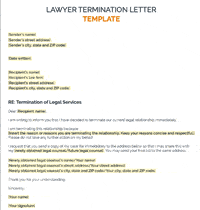 Lawyer Termination Letter Template
Template for a lawyer termination letter to help you formally cut ties with your attorney.
Download in PDF format
Looking for additional information about the attorney-client relationship? These resources may help:
- Initial Consultations with Personal Injury Attorneys
- How to Talk to a Lawyer
- Choosing a Personal Injury Attorney – Interview Questions
- When Should I Fire My Attorney
- How to Fire Your Attorney and Protect Your Rights
See our guide Choosing a personal injury attorney.