

What are your financial options to help pay for the cost of treating a personal injury?
Getting into an accident is a stressful experience, no matter how seemingly “insignificant” the injuries are. It’s much worse when there are serious injuries and they’re someone else’s fault.
Recovery for your damages may be far off down the road, so what do you do in the meantime? What if you can’t work? How are you even supposed to pay for basic living expenses? What about your family?
The great thing about living in Georgia is there are many financial options to explore. These may vary depending on the type of accident involved. There are also medical bill assistance programs, which we’ll examine in more detail below.
Car accidents in Georgia
Georgia is a “fault” state when it comes to automotive insurance. This means each injured party is expected to turn to its own insurer to cover medical bills and related damages after an accident. This process attempts to reduce the number of claims flowing through the state’s court system and streamline simple car accident cases.
If you’re injured, you do have the option to file a third-party claim with the defendant’s insurance company, as well as pursuing a personal injury lawsuit in court. Sometimes, an insurance claim just isn’t enough.
Comparative fault laws in Georgia
It’s rare for a plaintiff to be 100% blameless and the defendant to be 100% at fault. More often, a defendant will argue that the plaintiff contributed to his or her own injuries and should be assigned a percentage of fault.
Georgia follows the theory of modified comparative fault, which reduces or eliminates damages if the plaintiff is found to be partly or mostly at fault for his or her own accident.
An example:
You were blindsided by another driver who ran a red light, but you were traveling 10 miles above the speed limit at the time. A jury may determine that the defendant is 90% at fault, while you are 10% responsible because you were speeding. Accordingly, your damages will be reduced by 10%.
Georgia law requires that courts apply the modified comparative fault rule in any cases where both parties share fault. This topic will undoubtedly arise during insurance settlement negotiations as well, so it’s best to be prepared.
Luckily, you can file a claim with your insurance company to pay medical bills quickly. Then, once fault is determined, your insurer can then request reimbursement from the defendant’s insurance company.
Georgia minimum car insurance requirements
Drivers in Georgia are required to insure their vehicles with the following minimum coverage:
- Bodily injury: $25,000 per person/$50,000 per accident
- Property damage: $25,000 per accident
While some drivers still chance driving without insurance, these mandatory minimum thresholds protect others on the road in the event of an accident. This number, however, is a mandatory minimum threshold and might not be enough money to cover all of your medical bills.
So what can you do to protect yourself against this unpleasant scenario?
Underinsured or uninsured insurance coverage in Georgia
Although there are mandatory minimum insurance requirements in Georgia, people regularly drive without having the required amount of insurance or without any coverage at all. Making matters worse, medical bills after an accident often reach staggering proportions due to the rising cost of healthcare and the severity of many accident injuries. These situations are tense and difficult, because your health problems might linger far longer than available damages can cover.
In this type of situation, underinsured or uninsured motorist insurance coverage is vital. For a few extra dollars per month, you can procure an additional policy that covers an accident with an uninsured or underinsured driver – that way you have enough money to receive proper medical care. Check with your insurance carrier to see what options are available to you.
Slip and fall cases in Georgia
In a slip-and-fall case (a type of premises liability), victims often don’t have the opportunity to pursue damages because there’s nobody who is directly responsible. It’s an “accident” in the true sense of the word.
However, if you slipped in a store or parking lot (and you slipped on something that shouldn’t have been there, like ice or water), then you may be able to pursue damages against the property owner for negligence. This is true if it was someone’s responsibility to make the premises safe and accessible to visitors.
If, however, you simply fell over because you are clumsy, that’s a different story and probably won’t end with you receiving damages.
It’s frustrating when nobody else is responsible for paying hospital bills associated with an accident. However, there may be financial options available for those struggling to pay medical debt, as we will discuss later in this article.
Workplace accidents in Georgia
If you’re injured on the job, workers’ compensation benefits should be available to you to pay for your medical treatment. While your employer’s coverage will designate the providers you see, you should be able to live off your benefits and even receive vocational training if necessary.
The downside is that workers’ comp doesn’t provide for damages related to pain and suffering — and if you accept benefits, you lose the option to pursue a lawsuit against your employer (as always, there are some exceptions to this rule).
Check out the Georgia State Board of Workers’ Compensation for additional information and resources.
Other options to cover medical expenses
Even if you pursue one of the options outlined above, you may still have unpaid medical bills that need addressing — especially if your injuries are severe and long term. Consider one of the following options if you require financial assistance for medical treatment caused by a personal injury accident.
If you are worried about paying for legal representation, there are several options for low-income Georgians to receive legal aid. However, remember that attorneys in personal injury cases typically work on contingency, meaning they bankroll your case and receive a portion of the eventual judgment or settlement, plus office fees, if they win your case. If they lose your case, then you owe nothing. This allows even low-income Georgians to pursue personal injury cases.
Check with your attorney
Lawyers do more than file your lawsuit and negotiate a settlement. They can also act on your behalf and speak with your medical team about establishing liens against a future settlement or judgment. This means you hold creditors back until you are prepared to pay using the compensation you’re awarded, allowing you to focus on receiving the medical treatment you need to heal.
Talking to an experienced Georgia personal injury attorney during this time can help ease your worries significantly, help streamline the process, and prevent bills from going into collections.
Make sure to keep an accurate record of your damages and expenses to stay organized and help your attorney identify creditors.
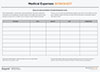 Damages/Expenses Worksheet
Damages worksheet to track expenses for your injury claim (medical treatment, property damage, lost wages, prescriptions)
Download in PDF format
Speak with your medical team
Payment plans, normally interest-free, can be arranged for large hospital bills or outpatient treatment. You can do this with or without an attorney. By informing healthcare admins of your intent to pursue a lawsuit, they will likely allow you to pay in small, affordable installments each month.
Often, a hospital will allow you to pay in installments even if you aren’t planning to sue.
Check out financial assistance programs
The Georgia House of Representatives attempted to pass legislation regarding “surprise billing” — that’s when you receive a hospital emergency room bill that is hundreds or even thousands of dollars higher than normal because the attending physician wasn’t in the patient’s insurance network. Unfortunately, this bill didn’t pass in the 2018 session, meaning you might be unpleasantly surprised by the cost of your medical treatment.
Fortunately, there are a number of financial assistance programs available for those who have received such an unpleasant surprise. Numerous local organizations in Georgia are devoted to helping individuals and families stay afloat in a financial emergency.
There may also be specific programs available through the Georgia Department of Human Services or your hospital. (For instance, some hospitals agree to interest-free payment plans or even partial forgiveness, if you ask them). The Georgia DHS, for example, accepts applications for Medicaid and has a temporary assistance program in place for those in need.
The state government can also provide information on programs related to child care and support, employment, disability, paying for energy utilities, food assistance, vocational and employment help, and more.
To apply for these benefits, visit the Georgia DHS website and apply via the client customer services portal. Applications for TANF (Temporary Assistance for Needy Families), Medicaid, and food stamps can also be made via this website.
See other websites that provide invaluable information and financial assistance, such as this comprehensive Rent Assistance directory and this list of benefit programs offered by the state government.
Georgia Watch, a consumer watchdog group, has compiled a thorough guide to help patients through the complicated hospital billing process. It explains how to understand your hospital bill, as well as ways to have medical debt lessened or forgiven.
There’s also the Indigent Care Trust Fund, a state-run organization allowing lower-income individuals to access medical care. It was established in 1990 to “expand Medicaid eligibility and services, support rural and other health care providers, primarily hospitals, which serve the medically indigent, and fund primary health care programs for medically indigent Georgians.” This means that even the uninsured who don’t qualify for Medicaid can get the health care they need.
Lastly, the comprehensive Need Help Paying My Bills website has many state-specific offerings available to Georgians, with listings ranging from childcare to rental payments.
Never underestimate the help an attorney can bring to the table. Lawyers often have ways to help that extend beyond legal representation and can point you in the right direction if funds are tight. If you haven’t found an attorney yet, try browsing through the Georgia page in the Enjuris law firm directory.
Related resources:
- Choosing a personal injury attorney – interview questions
- Why might a personal injury lawyer deny my case?
- Preparing to meet with a personal injury attorney
- Negotiating lawyers fees – how do accident lawyers charge? Are there any hidden costs?
- When do you NOT need an attorney after an accident?
See our guide Choosing a personal injury attorney.