

What to look for, who to call, and how to make a claim if you suspect nursing home abuse
You should be able to sleep easy knowing that your mom, dad, or grandparent in a nursing home is in good care and is having all of their needs met. But sometimes that doesn’t happen. Here’s what to look for in a loved one’s nursing home and what to do if you see something troubling.
Grandma (or Mom) isn’t doing so well.
You know she can no longer live on her own, but you can’t really take her into your home, either. So, what happens? Gen X is the current “sandwich generation” — caring for aging parents, still raising our own kids.
You’ve got this.
But… what if you don’t? It’s okay to be not okay sometimes. We all have life pressures and obligations, and you shouldn’t feel guilty about being unable to be a full-time caregiver to an aging loved one. For one thing, it’s a lot. For another, there are people and facilities where they are specifically trained to anticipate their needs and help them remain comfortable.
For the most part, nursing homes and other adult care facilities are filled with kind, caring, competent people who care for your family member as their own and help them to live their lives to the fullest in their golden years. But, like any profession, there are a few bad apples.
Florida nursing home abuse is a problem, so if you’re going to place Grandma, Mom, Dad, or your favorite uncle in a senior living facility, it’s important to know the signs of abuse and choose a facility wisely.
Types of Florida senior care facilities
You might also be caring for a person who’s not elderly but who requires long-term care. This would be a person with a chronic condition, trauma, or illness that limits their ability to manage daily needs. There are a variety of ways someone could receive long-term care, including:
- Adult day services
- Home health care
- Hospice
- Homemaker services
- Home telehealth
- Continuing care retirement community
- Supportive housing programs
- Assisted living facilities
- Family caregiving
The Florida Bureau of Health Facility Regulation is the authority on nursing homes and other senior facilities in the state. The Complaint Administration Unit would receive and process any complaints about the quality of care in these and other healthcare facilities.
Recent Florida law that affects nursing home staffing
In April 2022, Florida Governor Ron DeSantis signed HB 1239 into law. The new law requires nursing homes to determine staffing levels based on facility assessments. Mandated daily staffing hours by CNAs is reduced and direct care by non-nursing staff can be included in determining compliance with these minimum care mandates.
Part of the determination would include types of diseases, conditions, and physical and cognitive disabilities of residents. A Florida nursing home would now be required to provide two hours of daily staffing by a CNA, which is less than the prior requirement of 2.5 hours. Each resident remains entitled to one hour of licensed nurse direct care per day and 3.6 hours of non-nurse direct care per day. However, that 3.6 hours is no longer required to performed by a licensed nurse or CNA. This could be any direct care staff.
Types of nursing home abuse
- Physical abuse could be any event or condition that causes physical injury or harm. It could be intentional, like aggressive handling. It also includes neglect, such as a lack of physical care or overuse of restraints.
- Sexual abuse is unwanted sexual attention or exploitation. It might also involve sexual acts against a patient who experiences dementia, Alzheimer’s Disease, or other cognitive deficit that leaves them unable to know what’s happening or express their wishes because they’re incapable of providing consent.
- Neglect can be unintentional. Often, it happens when a facility is inadequately staffed to appropriately care for residents’ needs. Neglect includes failing to provide personal hygiene, food, clothing, or water.
- Financial exploitation is when a caregiver takes advantage of a patient’s financial situation. This can mean stealing a resident’s personal property, but it could also be theft from a bank account, using the patient’s personal information to apply for credit, or other types of identity theft for personal gain.
- Psychological or emotional abuse can be the most difficult to detect. A caregiver might yell, criticize, shame, or humiliate a patient in a way that causes anxiety, upset, or behavior changes.
- Resident-to-resident abuse happens, too. Not all abuse is at the hands of a caregiver. This is usually physical, psychological, or sexual. It’s the caregiver’s responsibility to keep every patient safe and free from harm by other individuals, no matter who they are.
Although older adults tend to bruise more easily than others, there are a few ways to tell if a bruise could be an indicator of abuse or if it’s “normal” bruising because of a particular condition. Here’s what you should know about bruises in an older adult:
- Bruises tend to be larger in adults who are being abused. Most people in the study who were being abused had at least 1 bruise that was 5 cm (2 inches) or larger in diameter.
- Adults who are being abused tend to have more bruises on the head, face, arms, hands, elbows, abdomen, and lower back.
- Even among adults with dementia or other memory problems, 90% could say how they got their bruises if they’ve been physically abused.
- Bruises and cuts around a person’s wrists or ankles might indicate use of restraints, which could be a sign of abuse.
Liability for nursing home abuse
Who’s liable if you believe your family member is being or has been abused in a nursing home?
There are a lot of people and entities that could be liable, sometimes depending on if the facility is privately or publicly owned.
For instance, you might file a lawsuit against:
- Staff members who intentionally harmed or neglected your family member.
- Supervisors whose responsibility involves overseeing and managing staff.
- The owner or operator of the facility.
Can you protect your loved one from nursing home abuse?
- Appoint a guardian. If you’re unable to visit regularly, contact a volunteer agency to see if you can find a helper who can visit your loved one regularly. A person who has family or friends “drop in” is less likely to suffer abuse.
- Review financial statements. If your loved one isn’t able to manage their own financial details, be sure that you or another trusted family member are regularly reviewing their financial statements. Even a fast monthly or quarterly skim of bank accounts, credit card bills, and legal documents is enough to check for any unusual transactions or changes.
- Unannounced visits. If you’re able to visit, do so without the facility knowing ahead of time that you’re coming. They can’t require you to call ahead, though it’s reasonable to expect that you’d come during daytime or evening hours and not when residents are likely to be sleeping. It’s your family member — you have a right to visit whenever you want.
- Get to know the staff. If your family member has specific caregivers on certain shifts, get to know those people. A caregiver will feel more accountability when you know them by name and see their interactions or relationship with the person in their care.
How to file a complaint for Florida nursing home abuse
If you need to file a complaint against a Florida health care facility, you can call (888) 419-3456 / (800) 955-8771 or complete a Health Care Facility Complaint Form.
If you need to file a lawsuit against a Florida nursing home, you have two years from the date of discovery of the abuse or the date that the complainant should have discovered the abuse, according to Florida Statutes §95.11.
You can also file a report with the Florida Department of Health through the Florida Health Care Complaint Portal.
Signs of nursing home abuse:
| Physical abuse |
|---|
|
| Sexual abuse |
|
| Neglect |
|
| Emotional abuse |
|
| Financial abuse |
|
If you believe that your loved one is a victim of nursing home abuse, document everything.
If you suspect that a loved one is being abused or neglected, write down everything that seems relevant, no matter how small.
Keep a list of dates and observations. If you see a strange bruise, your family member says something unusual, or the number of pills in their possession seems a little off, make a note of it. This could be your best evidence if you need to pursue the matter further.
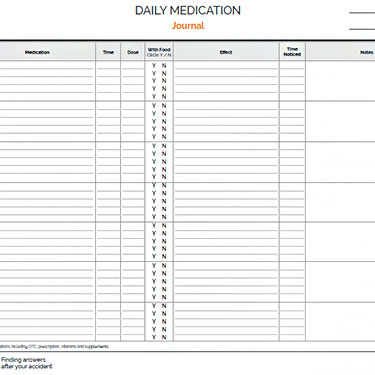 Medication Log Sheet
Printable daily medication log template helps you track your medicines and side effects
Download in PDF format
 Post-Accident Journal Form
Sample accident journal/diary to help you document the effect on your daily life
Download in PDF format
If you need additional help or guidance, or if you would like assistance filing a complaint, you should contact a Florida personal injury attorney who is familiar with nursing home abuse.
See our guide Choosing a personal injury attorney.