
Even though your typical TV show depicts childbirth as a screaming woman with tears running down her face and cursing at her partner, generation after generation passes down the perception that childbirth is beautiful and maybe even spiritual for some women.
We’ve all seen images of exhausted mothers holding their newborns while soaking in a special birthing tub, or cry-laughing when their baby takes their first breath. It does seem beautiful and as though it’s the most natural thing in the world.
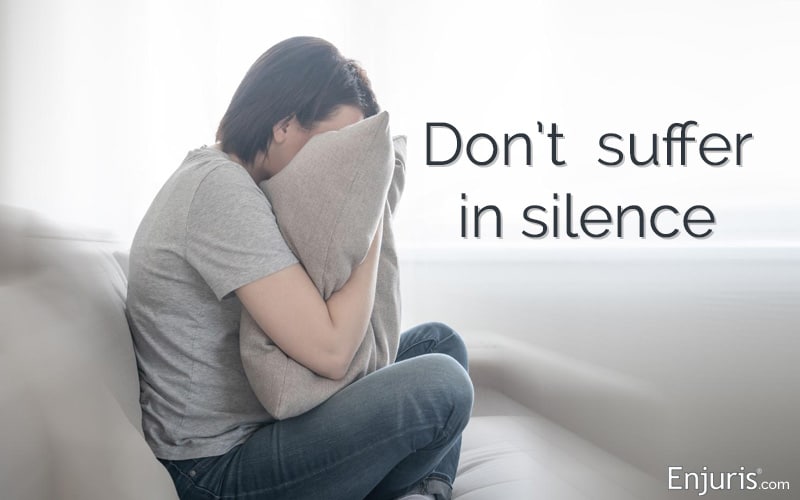
But birth trauma is real and happens to many, many people. For some women, untreated birth trauma can lead to postpartum depression, or PPD.
Experts estimate that as many as 1 in 3 women experience birth trauma
Are you one of them?
Birth trauma is when a birth mother experiences physical, emotional or psychological trauma either during or after the actual birth.
Psychological scars can be more difficult to heal than physical scars, and they can also leave you with long-term effects that sometimes include an inability to care for your baby. In extreme cases, there have been mothers who suffered such intense postpartum psychosis that they actually killed their babies.
Postpartum psychosis includes paranoid thoughts, auditory hallucinations and disorganized thinking. The American Psychiatric Association reports that it occurs in one or two mothers per 1,000 who give birth. It can lead to a mother harming herself or her child. It’s estimated to lead to a 4% risk of infanticide and a 5% risk of suicide.
Postpartum depression can appear within a week after delivery and could be up to a year later.
Is birth trauma your doctor’s fault?
You might have a lot of questions about how it happens, how to prevent it, and what you can do if you believe you’re suffering from PPD or effects from birth trauma. You might even want to know if it’s someone’s fault.
The answer is… unfortunately… yes and no. Our body chemistry is what it is. Everyone’s brain is wired differently and a doctor is unlikely to cause a mental health condition, per se.
However, there are two ways a doctor might be liable for your post-birth emotional trauma or PPD.
- If there was medical malpractice around the actual birth (or pregnancy) that caused a situation that would lead to trauma, the doctor could be liable for the resulting issues.
- A doctor can also be liable for failure to diagnose a condition if that failure leads to complications or further illness.
Is it your obstetrician’s role to diagnose postpartum depression?
It could be. It could also be the role of your baby’s pediatrician or any other medical or psychological health provider. Any medical provider should be screening (even discreetly) for signs of depression or other mental illnesses. They should also provide referrals for help if a patient shares that they are experiencing symptoms of emotional distress.
In addition, your physician should be watching for symptoms of postpartum depression if you are likely to be at higher risk.
The Edinburgh Postnatal Depression Scale is a screen for postpartum depression. A physician might ask 10 questions related to symptoms of depression and your score can indicate whether you might be suffering from PPD. If your provider believes you’re at risk, they will likely make a referral or offer resources that can help.
Therapy and some medications are effective treatments for PPD.
Factors that make a patient higher risk for postpartum depression include:
- Personal or family history of depression, premenstrual dysphoric disorder (PMDD) or postpartum depression
- Their baby has special needs or cries more than usual
- The patient is younger than 20 years old
- The patient is a single parent and has limited social support
- Conflict with their spouse or partner
- Ambivalence about the pregnancy
- Complications that include health conditions, birth trauma or premature birth
Symptoms of postpartum depression
- Sadness
- Feelings of guilt, hopelessness or worthlessness
- Thoughts of hurting yourself or your baby
- Feeling like you don’t want your baby
- Anxiety, edginess
- Lack of interest in your baby
- Excessive crying (yours) or for no reason
- Loss of energy
- Loss of motivation
- Changes in appetite
- Loss of interest in hobbies that you enjoyed previously
- Sleep changes
- Difficulty focusing or thinking clearly
- Thoughts of suicide
If you’re a new parent, you can take some of these symptoms with a grain of salt. You’re likely to have changes to your sleep pattern (or feel like you want to sleep all the time) because you just had a baby who likely doesn’t sleep through the night and you might be sleep-deprived. You also might have lost interest in your hobbies because, again, you had a baby. Lots of our life activities and interests wane as we become parents, and that’s normal (and expected because you suddenly have much less time on your hands).
But there’s a difference between the typical new parent experience and clinical postpartum depression, and you can and should speak with any of your medical professionals about how you’re feeling.
And, postpartum depression isn’t just about you—it also affects your baby (and any other children you have). If your postpartum depression is left untreated, your child could be affected by the following:
- You and your baby don’t connect or bond
- Your child could develop learning or behavior issues
- Your baby’s social skills could be impaired
- Your child could be at risk for obesity or developmental disorders
- Your child could be neglected, and you might not notice if they’re ill or need something
- You might fail to take your child for routine appointments, physicals, vaccines or other preventive care
- Your child might have sleeping or feeding problems
Physical birth trauma can lead to emotional trauma or PPD
If you had a complicated or traumatic delivery, or if your baby experienced a birth injury, you might be at higher risk for emotional trauma or PPD.
If your birth trauma is the result of medical malpractice, you might be able to add costs for your resulting PPD or emotional trauma to a lawsuit if you have one.
If you believe you’re suffering from emotional distress or PPD, the first step is to seek help. Contact your obstetrician or primary care provider for a referral to mental health professional or other resources.
If you feel that there’s any possibility that you might harm yourself, your baby, or any other person, call 911 for an immediate response. You can also call 988 for the Suicide and Crisis Lifeline.
Once you’ve begun your journey to wellness and recovery, you might consider your legal options if you believe you’re a victim of medical malpractice from a birth injury or from failure to diagnose a mental health issue.
 In her years practicing personal injury law at the Brown Trial Firm, Laura has recovered millions of dollars in birth injury lawsuits for victims of birth injuries and their families. Medical negligence that affects a newborn is devastating. As a mom of 2, Laura understands that your baby feels like your whole world. Their pain is your pain. If your baby was injured during or near birth, contact Laura today so she can work to resolve your claim. View her Enjuris profile and visit her website today to schedule your free consultation.