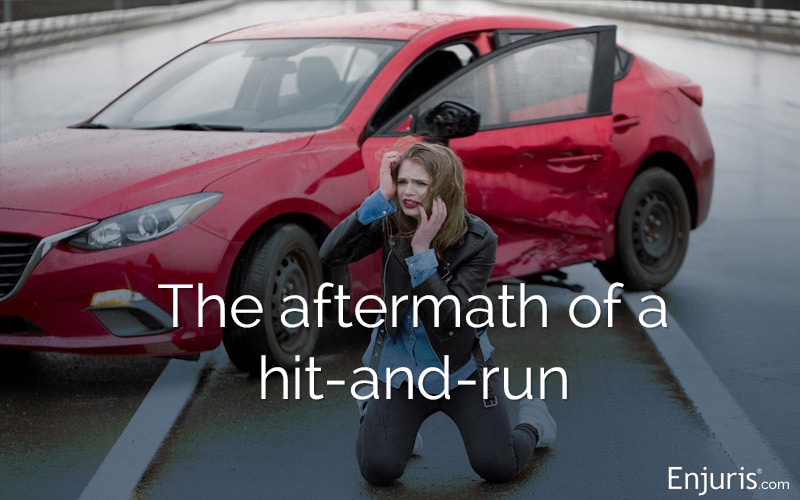
Steps to take, whether you’re the victim or perpetrator of a hit-and-run
Hit-and-run incidents, while not daily occurrences in Vermont, carry significant consequences for both victims and perpetrators. This guide delves deep into the state’s laws, consequences, and necessary actions in such situations, providing a comprehensive understanding of this alarming phenomenon.
On a winter morning in Burlington, the picturesque scenery was disrupted by an alarming sight: an overturned car by Lake Champlain’s shore, the result of a hit-and-run accident.
The community was shaken, not just by the visual disturbance on an otherwise peaceful morning, but by the thought that one of their own could commit such an act and flee.
In Vermont, hit-and-run accidents, though not an everyday occurrence, leave a lasting mark on those involved. Understanding the specific laws surrounding hit-and-run incidents in the Green Mountain State is vital for both perpetrators and victims alike. This article provides an in-depth understanding of the matter.
Are hit-and-run accidents common in Vermont?
Although Vermont does not maintain up-to-date hit-and-run statistics, these incidents are probably more common than you think.
According to the AAA Foundation for Traffic Safety, a hit-and-run crash happens somewhere in the United States every 43 seconds.
To gauge the potential frequency of hit-and-run incidents in Vermont, consider the state’s overall car accident rates. The Vermont Department of Health estimates annual injuries from car crashes to range between 2,000 and 4,000. Additionally, Vermont sees an average of 60 car-related fatalities, 6 pedestrian deaths, and a bicycle death each year.
Learn more about car accidents in Vermont, including statistics, laws, and how to recover damages following a crash.
Vermont hit-and-run laws explained
Vermont’s hit-and-run laws can be found under Title 23 of the Vermont Statutes, Section 1128.
To avoid a hit-and-run charge under the law, you must take three steps if you’re involved in an accident that causes an injury, death, or property damage:
- Stop your vehicle at the scene of the accident (or as close to the scene as possible);
- Provide your name, residence, license number, and the name of the owner of the motor vehicle to any person who is injured or whose property is damaged and to any enforcement officer; and
- Render reasonable assistance to anyone injured.
But what happens if you hit an unoccupied vehicle?
If you collide with an unoccupied vehicle, you must:
- Stop your vehicle at the scene of the accident, and
- Locate the owner of the property or leave a written note providing your name and contact information.
Penalties for committing a hit-and-run in Vermont
The severity of the penalties in Vermont for committing a hit-and-run hinge on the outcome of the accident:
- Property damage: If the accident only results in property damage, perpetrators could face fines of up to $2,000 or imprisonment for up to two years, or both.
- Physical injury: If the accident causes injury, the responsible party might face fines of up to $3,000 or imprisonment up to five years, or both.
- Death: If the accident tragically results in death, the penalties can escalate to fines of up to $3,000 or imprisonment up to fifteen years, or both.
Ryan Koss, 35, pleaded not guilty in the case involving a fatal collision with Treat Williams, 71.
Ryan, while turning his Honda SUV into a parking lot, hit Treat, who was on his motorcycle. The incident resulted in Treat’s death at Albany Medical Center in New York. If convicted of gross negligent operation leading to death, Ryan could face up to 15 years in prison.
Ryan, the managing creative director of Dorset Theatre Festival in Vermont, has stated that he knew Treat for years and considered him a close friend. He expressed his devastation over Treat’s death but denied any wrongdoing.
Nearly two months after the accident, the Bennington County State’s Attorney charged Ryan with “grossly negligent operation with death.” Treat, known for his role in “Everwood,” passed away on June 12, 2023. His family expressed their shock and grief, mentioning his deep love for his craft and family.
What to do after causing a Vermont hit-and-run
If you find yourself in the unfortunate position of having committed a hit-and-run:
- Stop and think: As daunting as the situation might be, it’s crucial to stop and assess. Panic and fear can lead to rash decisions.
- Return to the scene: It’s legally and morally the right thing to do. Returning can also mitigate potential legal consequences.
- Report to the police: If you’ve left and cannot return, contact the police immediately to report the incident. Doing so might not save you from a hit-and-run conviction, but it’s the right thing to do and it may result in you receiving a lesser sentence than if law enforcement tracks you down.
- Seek legal counsel: Engage a lawyer familiar with Vermont’s traffic laws to guide you through the legal intricacies.
What to do if you’re the victim of a hit-and-run in Vermont
When involved in a hit-and-run incident, you might instinctively want to pursue the escaping driver. However, doing so can be extremely dangerous. Pursuit can jeopardize both your safety and that of other road users. Instead, take the following steps:
- Safely position your car off the road, if feasible.
- Immediately report the crash to the police, offering any details you’ve noted about the offending vehicle (like its brand, color, registration number, any unique attributes, or a description of the driver).
- Reach out to your insurance provider to determine if your coverage includes hit-and-run situations.
How to recover damages following a hit-and-run crash
If you or the police are able to identify the hit-and-run driver, you can make a claim against their insurance or file a personal injury lawsuit against them.
If you are unable to identify the hit-and-run driver, the following mandatory insurance policy may provide coverage:
- Uninsured/underinsured motorist coverage (UM/UIM): This type of insurance covers you if you’re injured by a hit-and-run driver. In Vermont, you must carry the following UM/UIM coverage:
- $50,000 per person, and
- $100,000 per accident.
Additionally, the following optional insurance policies may provide coverage:
- Personal injury protection (PIP) coverage. PIP coverage provides up to $10,000 in coverage regardless of who’s at fault. Whether or not PIP covers hit-and-run accidents depends on your specific policy.
- MedPay coverage. MedPay coverage provides coverage for medical expenses regardless of who’s at fault. Again, whether or not MedPay covers hit-and-run accidents depends on your specific policy.
- Collision coverage provides coverage for damage to your vehicle caused by an accident with another vehicle or an object (such as a telephone pole).
Learn more about Vermont’s auto insurance laws.
Understanding the ramifications and steps to take when involved in a hit-and-run accident in Vermont is essential. Whether you’re a perpetrator hoping to rectify a grave mistake or a victim seeking justice, knowledge is your most valuable asset.
See our guide Choosing a personal injury attorney.