
Z-Pak may increase the risk of suffering a heart attack
Azithromycin is sold under the brand name Zithromax (better known as Z-pak). Z-pak is an antibiotic most commonly used to treat bacterial infections.
First approved by the United States Food and Drug Administration (FDA) in 1991 to treat respiratory and skin infections, the antibiotic is now used to treat a wide range of infections, including sexually transmitted diseases, bacterial inflammation, and ear infections in children.
The vast majority of people who take Z-Pak tolerate the drug with few negative side effects. However, some people have experienced serious and even fatal complications.
Z-Pak side effects and complications
Zithromax comes in oral tablets and liquids for oral use, as well as injections and intravenous drips.
Zithromax should only be taken as directed by your doctor. Keep in mind that the directions on the label include the recommended dose for the average person. Your doctor may suggest a different dose.
The side effects associated with Z-Pak are generally temporary and can be organized into three categories:
| Most common | Less common | Rare |
|---|---|---|
|
|
|
You can find a full list of side effects on the Mayo Clinic website. If you notice any side effects while taking Z-Pak, you should contact your doctor for medical advice.
Serious allergic reactions can occur after taking Z-Pak. What’s more, combining Z-Pak with other medications can cause serious problems. The following drugs should not be taken with Z-Pak:
- Bepridil
- Thioridazine
- Rifabutin
- Statins
- Theophylline
You can find a full list of medications you should avoid while taking Zithromax on the Mayo Clinic website.
Does Z-Pak cause cardiovascular problems?
Cardiac arrest is a public health crisis. There are more than 356,000 out-of-hospital cardiac arrests every year in the United States, almost 90 percent of them fatal.
If you’re concerned about your heart health (and you should be), Z-Pak might not be the medication for you.
A 14-year study published in the New England Journal of Medicine in 2012 found that people who take Z-Pak are more than twice as likely to suffer a heart-related death within five days of starting the medication.
The 2012 study inspired the FDA to issue a safety warning after conducting its own review of the data. The warning explained that:
“[Z-Pak] can cause abnormal changes in the electrical activity of the heart that may lead to a potentially fatal irregular heart rhythm. Patients at particular risk for developing this condition include those with known risk factors such as existing QT interval prolongation, low blood levels of potassium or magnesium, a slower than normal heart rate, or use of certain drugs used to treat abnormal heart rhythms, or arrhythmias.”
A more recent study published in the American Journal of Cardiology in 2020 found that Zithromax can increase the risk of cardiac arrest.
Does Z-Pak cause cancer?
On August 3, 2018, the FDA issued a warning that Z-Pak may cause an increased rate of relapse in cancers affecting the blood and lymph nodes. Accordingly, the FDA does not recommend Z-Pak as a long-term treatment to prevent inflammatory lung conditions in patients with cancers of the blood or lymph nodes who undergo a donor stem cell transplant.
Can I file a lawsuit if I suffer health problems after taking Z-Pak?
Pharmaceutical liability cases (sometimes called “bad drug cases”) are a type of product liability case filed by people who suffer health problems as a result of taking a pharmaceutical drug.
There are three categories of pharmaceutical liability cases:
- Defectively manufactured pharmaceuticals
- Defectively designed pharmaceuticals
- Improperly marketed pharmaceuticals
Let’s take a closer look at all 3 of these.
| Defectively manufactured pharmaceuticals | Defectively designed pharmaceuticals | Improperly marketed pharmaceuticals |
|---|---|---|
| A defectively manufactured pharmaceutical drug is one that—though properly designed—left the drug maker in a condition other than they intended. To put it another way, some error (such as contamination) occurred during the manufacturing process that caused the drug to become unsafe. | A pharmaceutical is defectively designed if the drug is “unreasonably dangerous” to consumers, even when used properly. For example, a drug intended to provide relief from a skin infection that causes one out of every three people to have a heart attack would undoubtedly be “unreasonably dangerous.” Claims based on defectively designed pharmaceuticals are rare because most unreasonably dangerous drugs aren’t approved by the FDA. Nevertheless, innovative drugs can be approved in fewer than six months, and some side effects may not be realized until after the drugs are on the market. |
A drug’s “marketing” includes the advertisements associated with a drug, as well as the warning label affixed to the drug packaging. To establish that a drug was improperly marketed, a plaintiff must prove that the manufacturer had a duty to warn the consumer about a risk and that the failure to do so made the product unreasonably dangerous. For example, if a drug increases the risk of a miscarriage and the manufacturer failed to provide a warning indicating as much, a woman who suffers a miscarriage after taking the drug may be able to sue the manufacturer. |
Although some Z-Pak lawsuits have been filed, no public settlements or verdicts have been reached.
If you suffered a heart attack after taking Z-Pak, you should talk to a lawyer about your legal options. Although a lawsuit against the manufacturer of Z-Pak might prove difficult given the public warnings about the side effects, you may be able to file a medical malpractice lawsuit against your doctor if they knew or should have known about your prior heart condition and prescribed Z-Pak anyway.
Keep in mind that each state has a statute of limitations, which limits the amount of time you have to file a lawsuit. Consequently, it’s recommended that you speak to an attorney as soon as possible. Most attorneys offer free initial consultations.
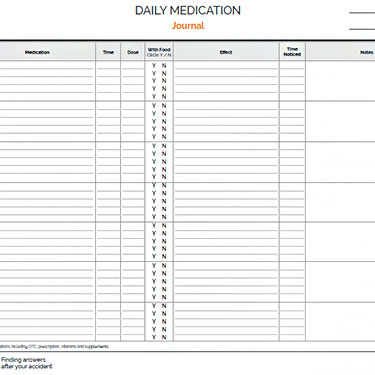 Medication Log Sheet
Printable daily medication log template helps you track your medicines and side effects
Download in PDF format
See our guide Choosing a personal injury attorney.